


Expert tips
Polar Bear
Photography
How to Photograph Polar Bears in Svalbard

Polar bears are one of the most iconic symbols of the Arctic. As the top predators of the far north, they are known for their physical strength, intelligence, and extreme adaptations to a life on sea ice. Polar bears have long held an important place in Inuit culture and are also among the most popular wildlife subjects for photographers today. Because they are elusive and closely linked to sea ice, photographing polar bears in the wild requires good preparation, the right season, and the right destination. In this guide, we explain where to photograph polar bears, why Svalbard is one of the best destinations, and what to expect from a polar bear photography tour.
Ole J Liodden | Published: May 5, 2025 | 5 min read
Last Update: Apr 27, 2026
Where to Photograph Polar Bears
Polar bears are found throughout the Arctic in the northern parts of the United States (Alaska), Canada, Greenland, Norway (Svalbard) and Russia. Most polar bears live between 60° N and 80° N along the shallow continental shelf, where sea ice covers the Arctic Ocean most of the year. The southernmost polar bears are found in Canada as far south as 51° N in James Bay and 48° N along the coast of Newfoundland and Labrador. The distribution of polar bears is restricted to areas with available sea ice, but they are not found in Iceland or the northern part of mainland Norway that lies north of the Arctic Circle. Some areas within polar bear territory, like the southern tip of Greenland and the island of Newfoundland, may only have polar bears in years with sufficient sea ice accumulation. There are seven main areas for photographing polar bears in the Arctic, as shown on the map below.
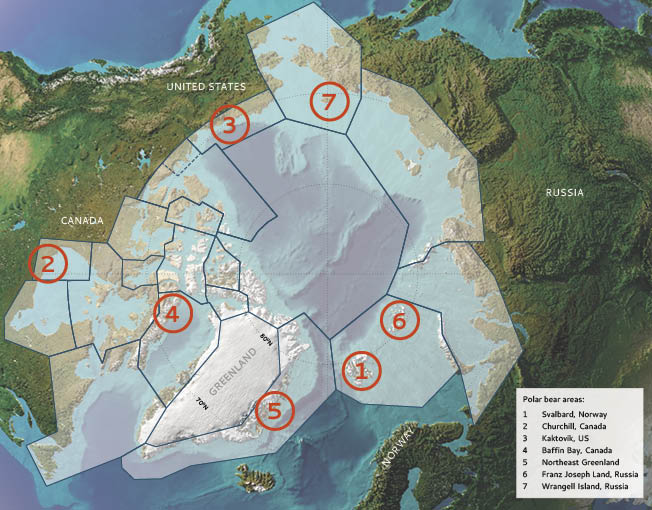
- Svalbard (Norway) with Spitsbergen as the largest island
- Churchill (Canada) in Hudson Bay
- Kaktovik (United States) with aggregation of bears in autumn
- Baffin Bay (Canada) large remote area with great landscape
- Northeast Greenland with bears and icebergs
- Franz Joseph Land (Russia)
- Wrangel Island (Russia)
Why Svalbard Is the Best Place for Polar Bear Photography Tours
You can photograph polar bears in all seven areas described above, but accessibility and the chances of getting good photo opportunities generally decrease further down the list. Many experienced Arctic photographers consider Svalbard the best destination for a polar bear photography tour, and there are several good reasons why.
Because polar bear watching and photography have become increasingly popular in Svalbard, there are also a few disadvantages. Visitor numbers have grown in recent years, so it is important to avoid the crowds by travelling with a small expedition ship rather than joining a large group. The new environmental laws in Svalbard (from 1. January 2025) limit how close you can observe and photograph polar bears near the islands (300–500 metres). However, with an ice-strengthened expedition ship, it is still possible to photograph polar bears quite close in the pack ice north of Svalbard.
Best Time to Photograph Polar Bears
Polar bears can be photographed in Svalbard all year, but from late October to the beginning of March daylight is very limited - with the Polar Night lasting from November 14th to January 29th. From mid March the days are getting longer with more light and it is possible to photograph polar bears until late October when the days are getting shorter. Below is an overview of the four main seasons for photographing polar bears in Svalbard, from mid-March to mid-October, together with suggested dates for polar bear photography tours.
Photographing Polar Bears in Winter
Mid March - mid May
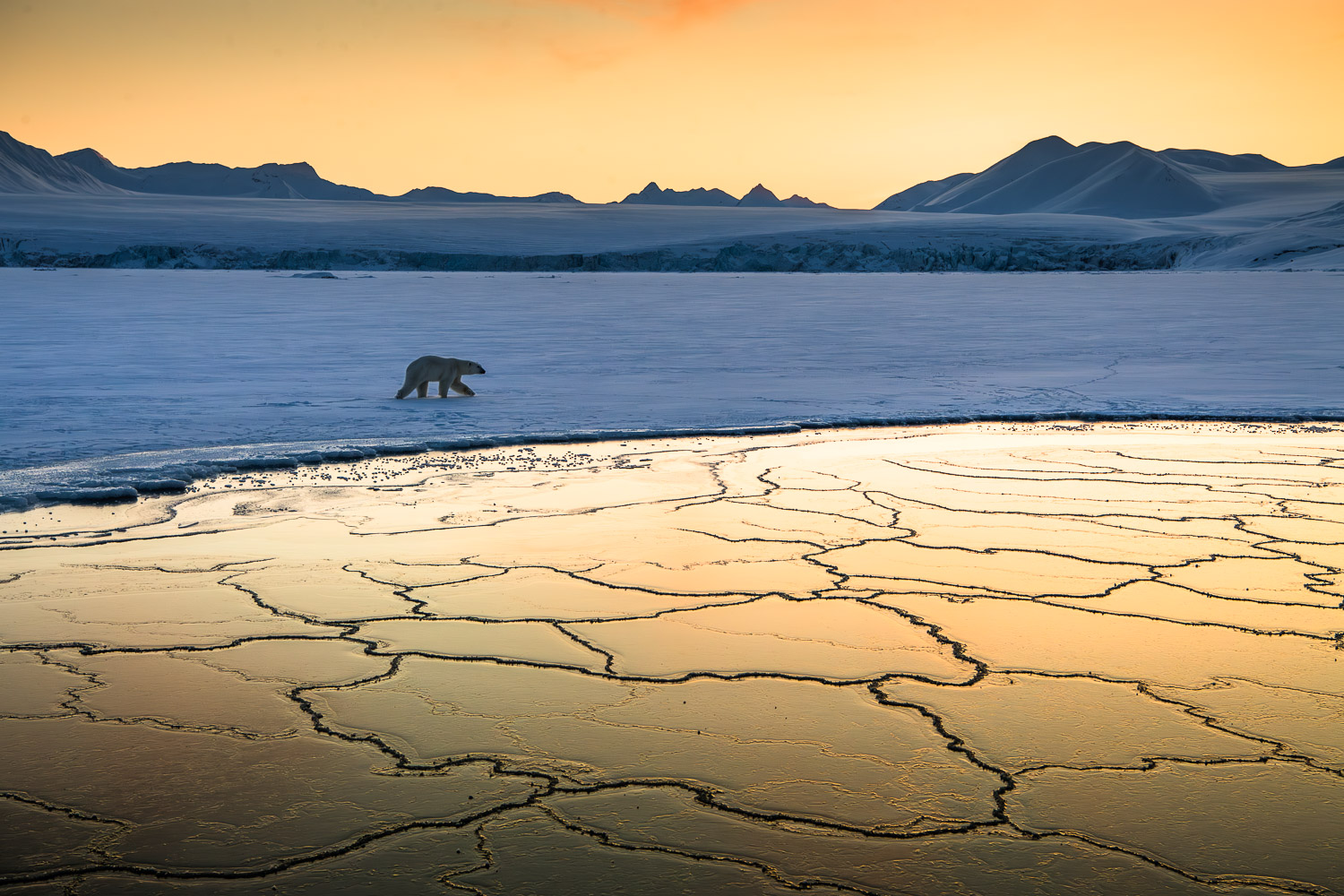
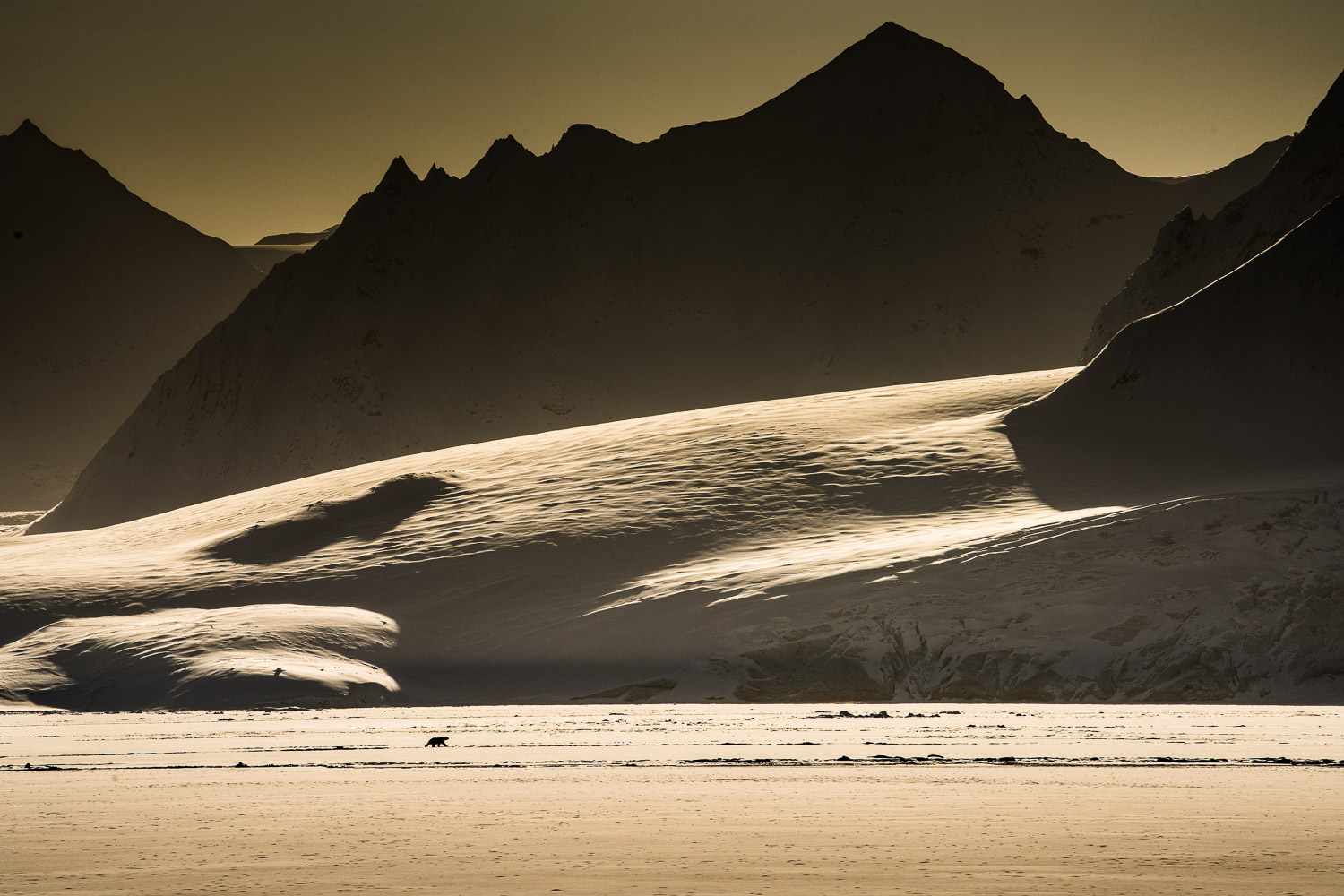
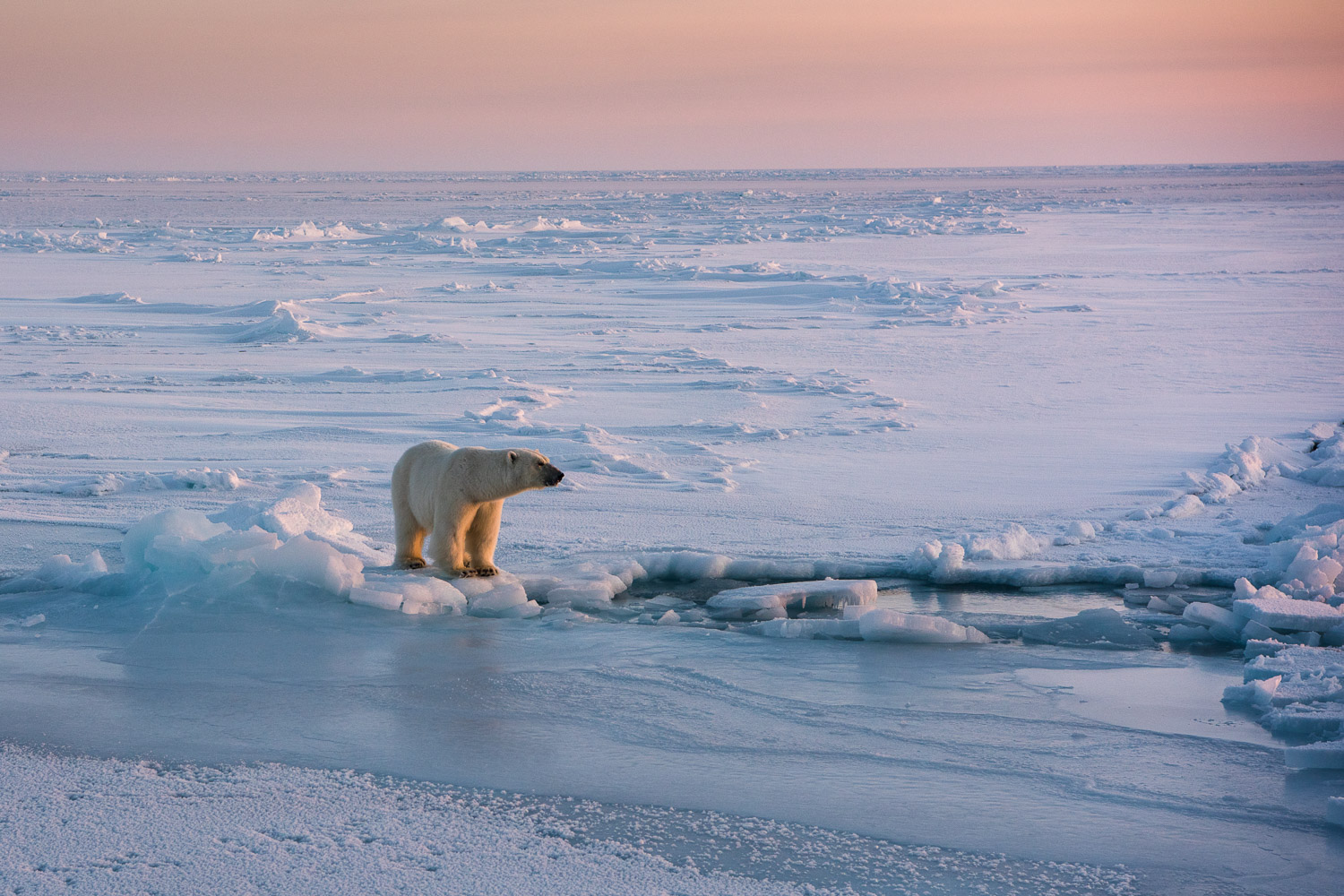
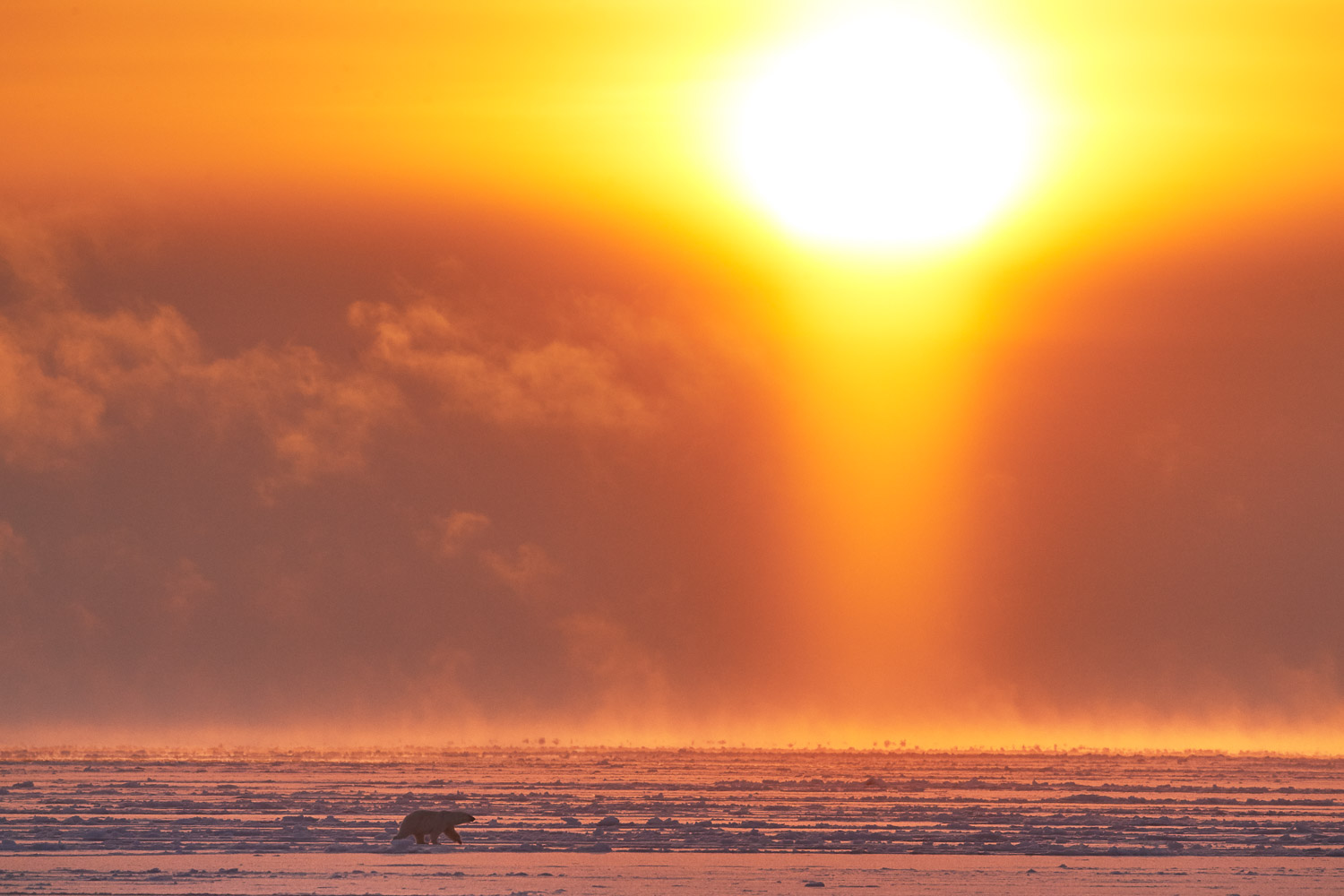
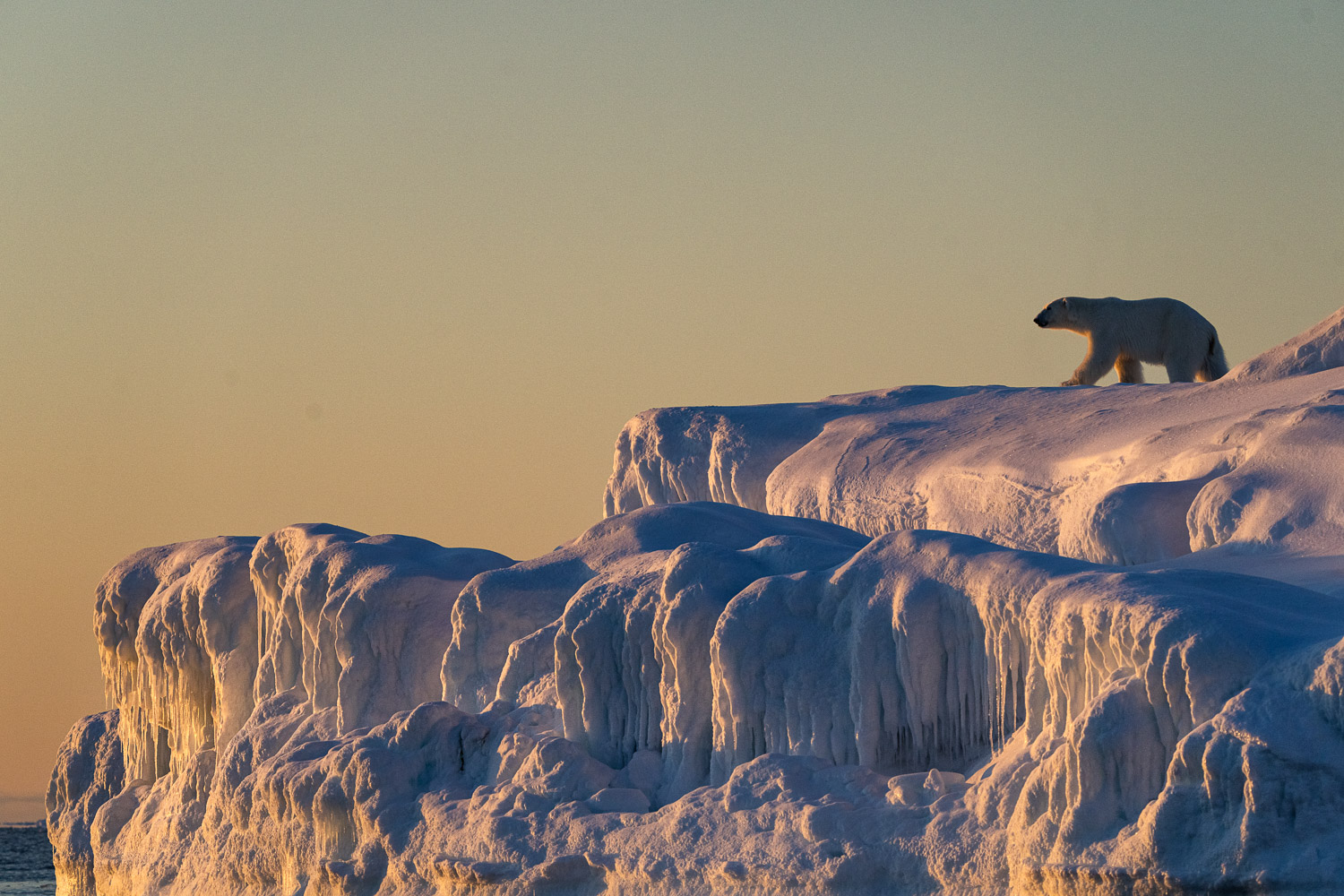
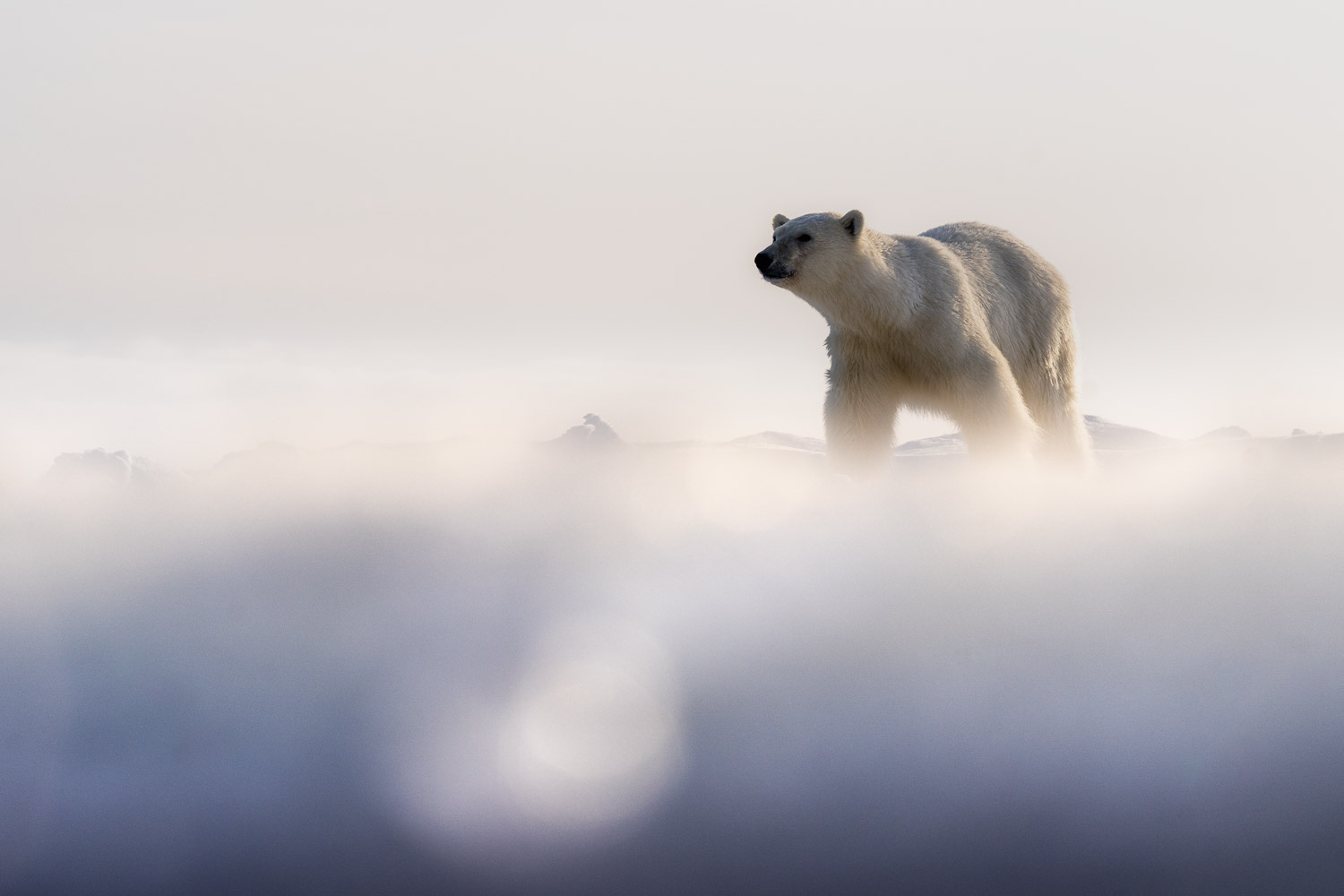
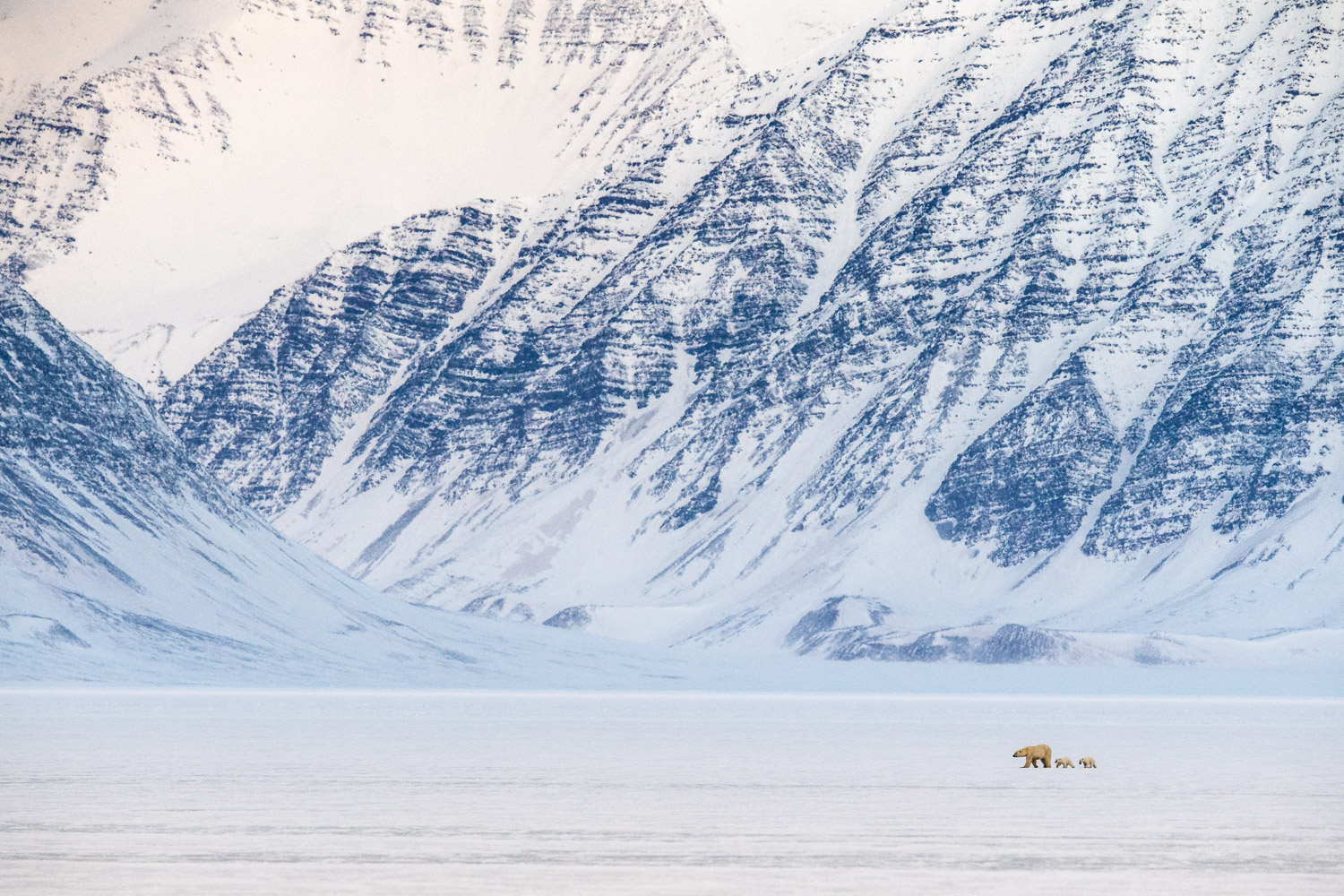
Svalbard's winter light is extraordinary, with low-angle sunlight and blue and pink colours over snow-covered mountains in March and early April. A polar bear against this backdrop can be spectacular, even from a distance. From mid-April the return of the midnight sun provides long nights with golden light in orange, yellow and red colors. Polar bear mothers with cubs might be seen on the sea ice, and with mating season and good seal hunting conditions, the bears are very active in late winter.
With a lot of sea ice and areas not accessible with expedition ships, it can be more difficult to find and photograph polar bears than later in the season.
Svalbard
Winter Extreme
22 MAR - 30 MAR 2028 9 Days
from EURO 9,995 per person
Svalbard
Winter Glow
15 APR - 23 APR 2028 9 Days
from EURO 10,495 per person
Photographing Polar Bears in Spring
Mid May - beginning of July
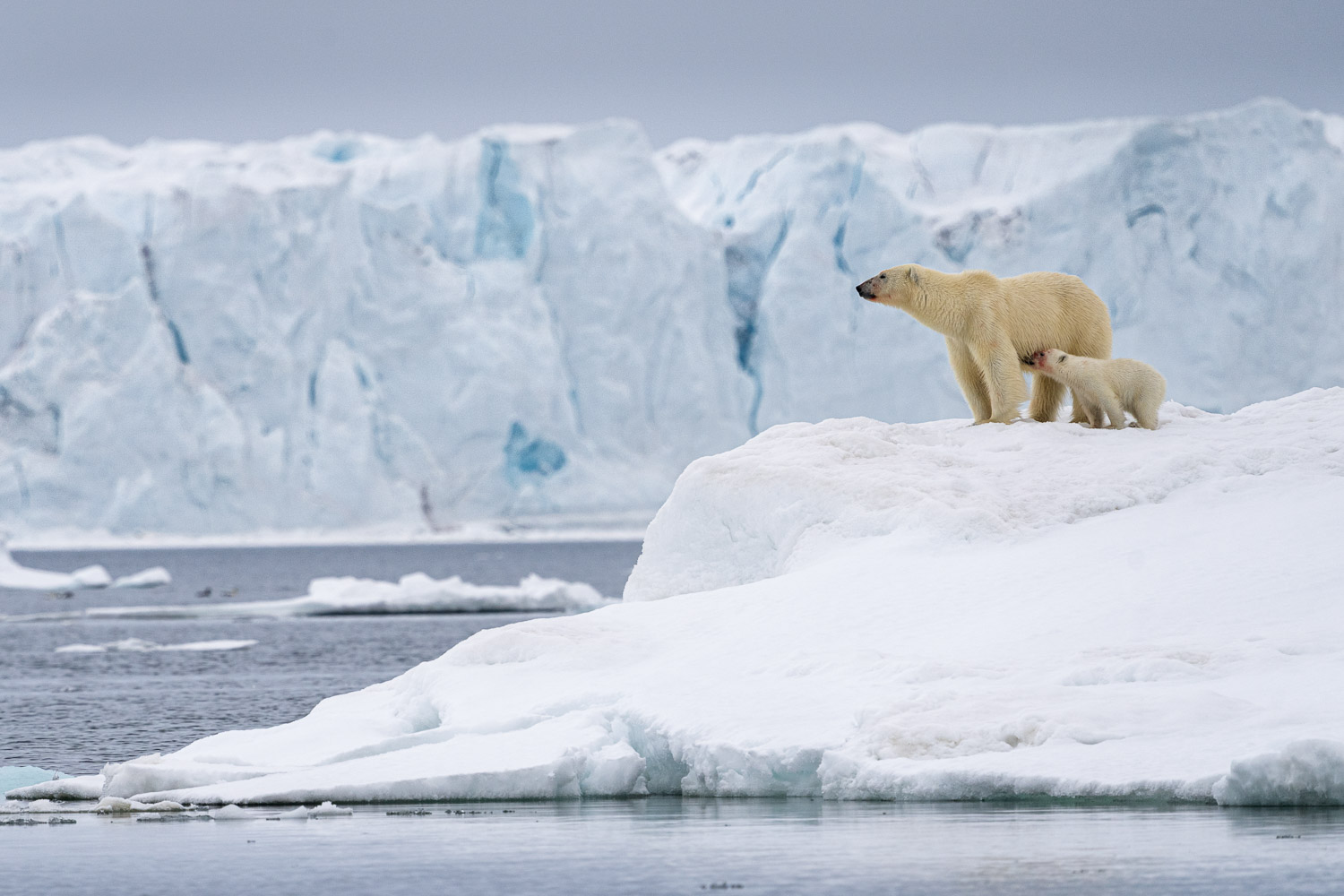
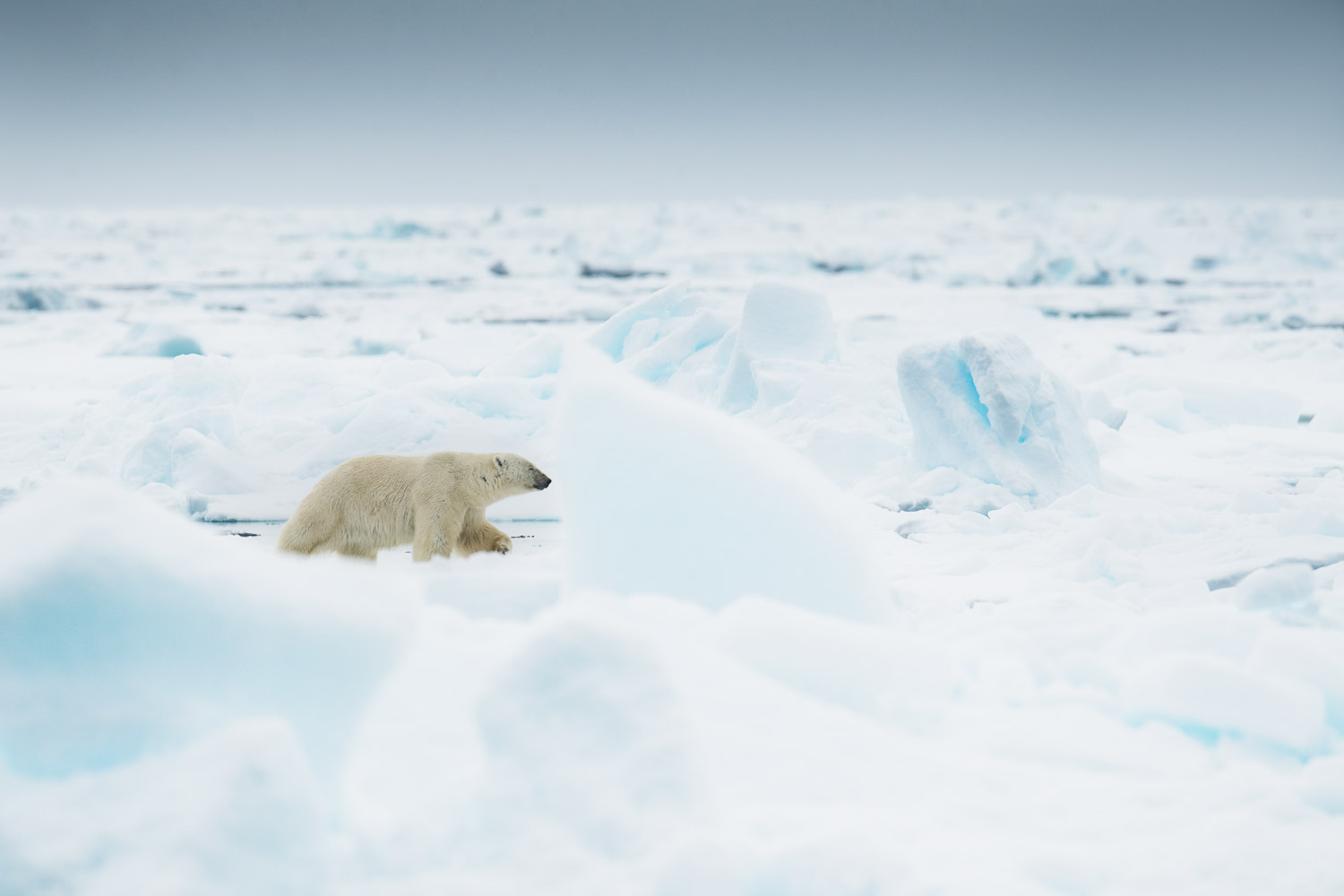
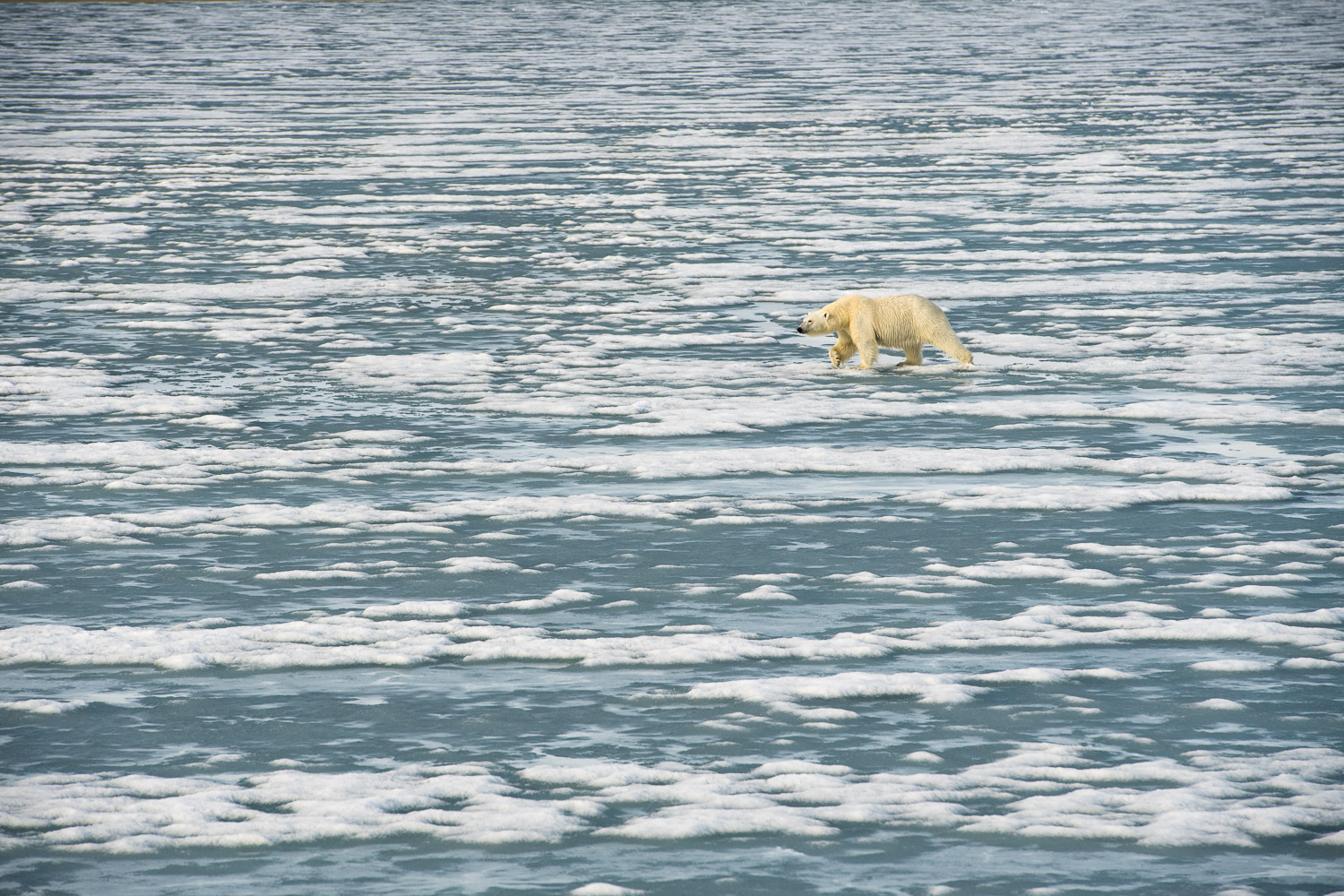
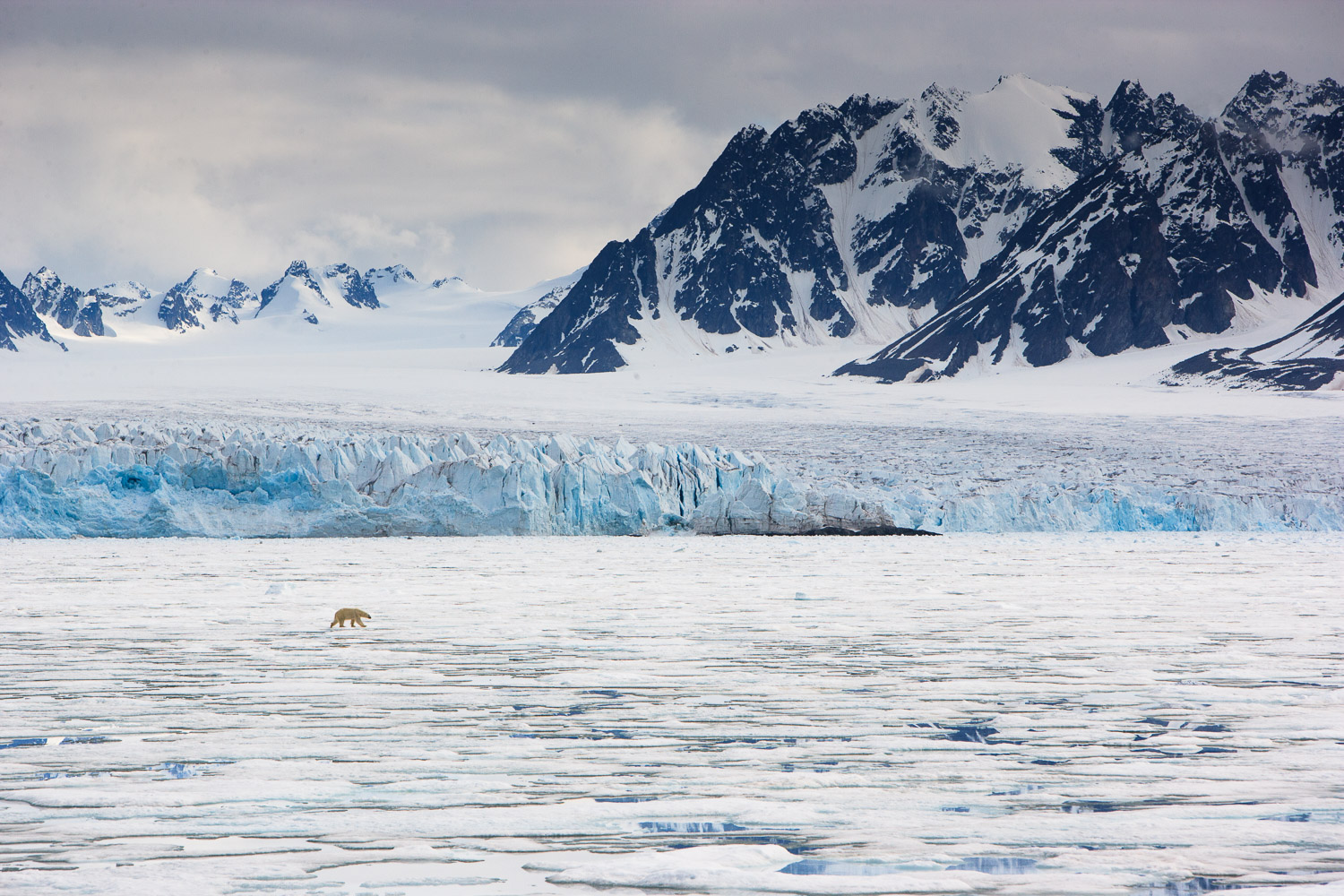
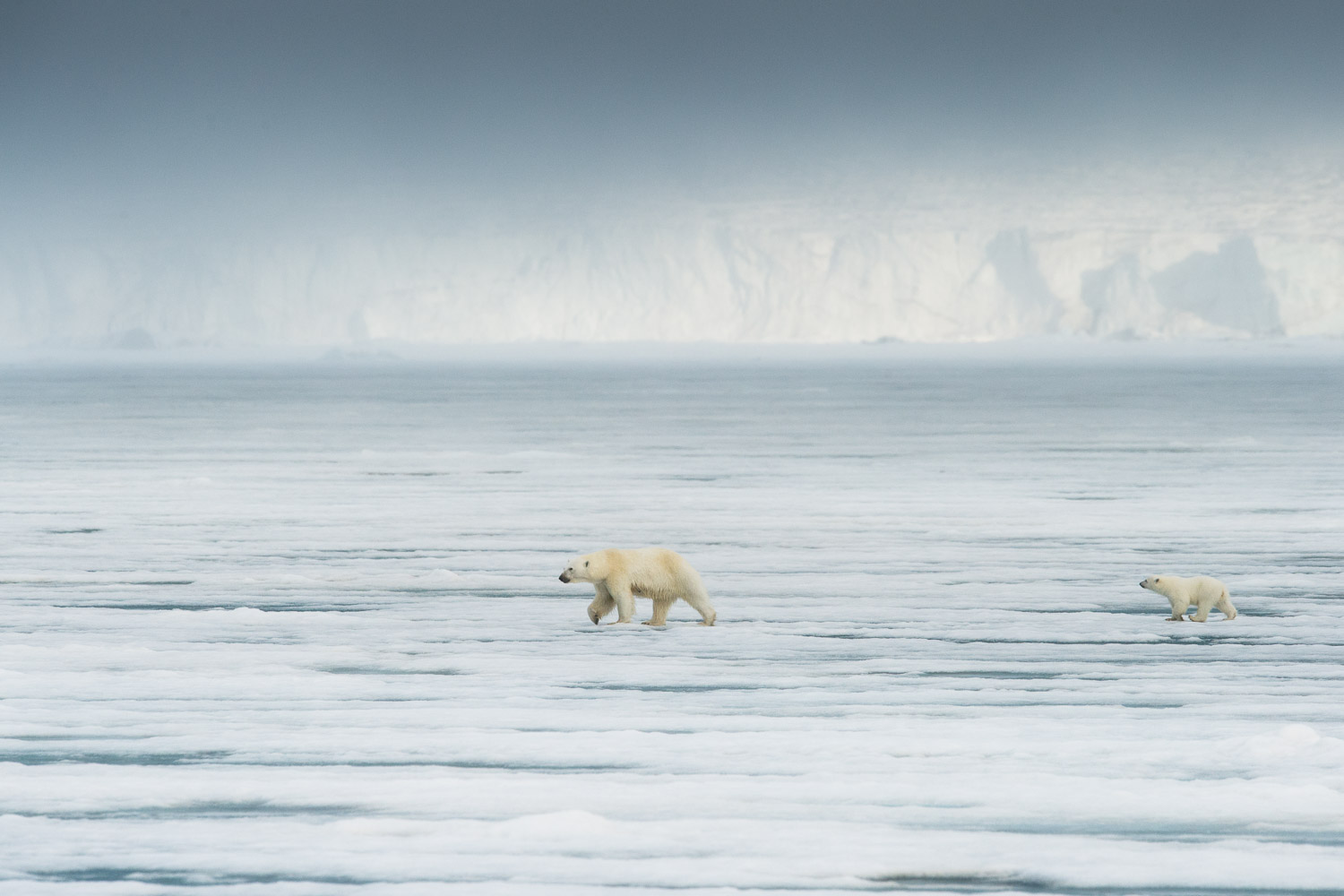
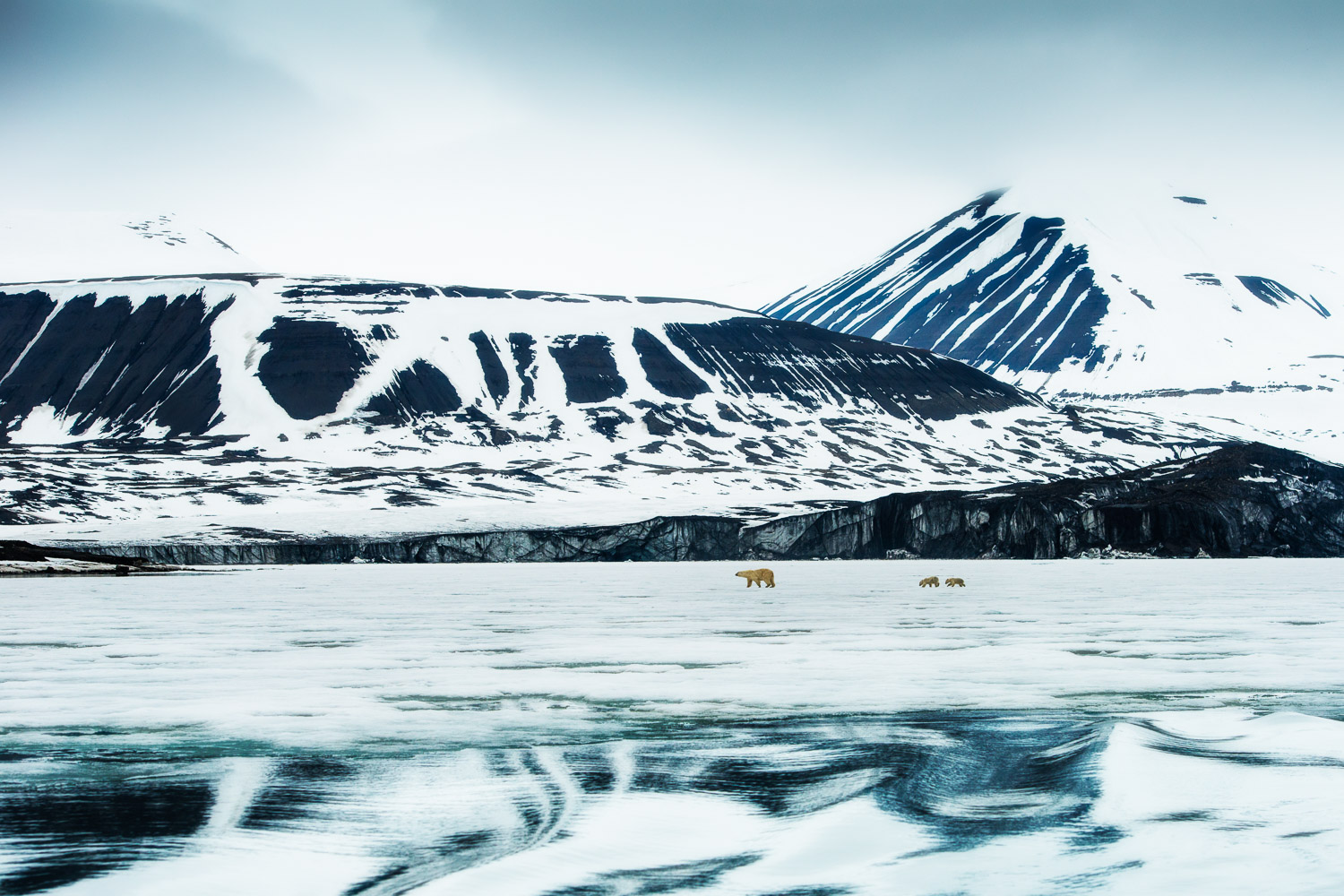
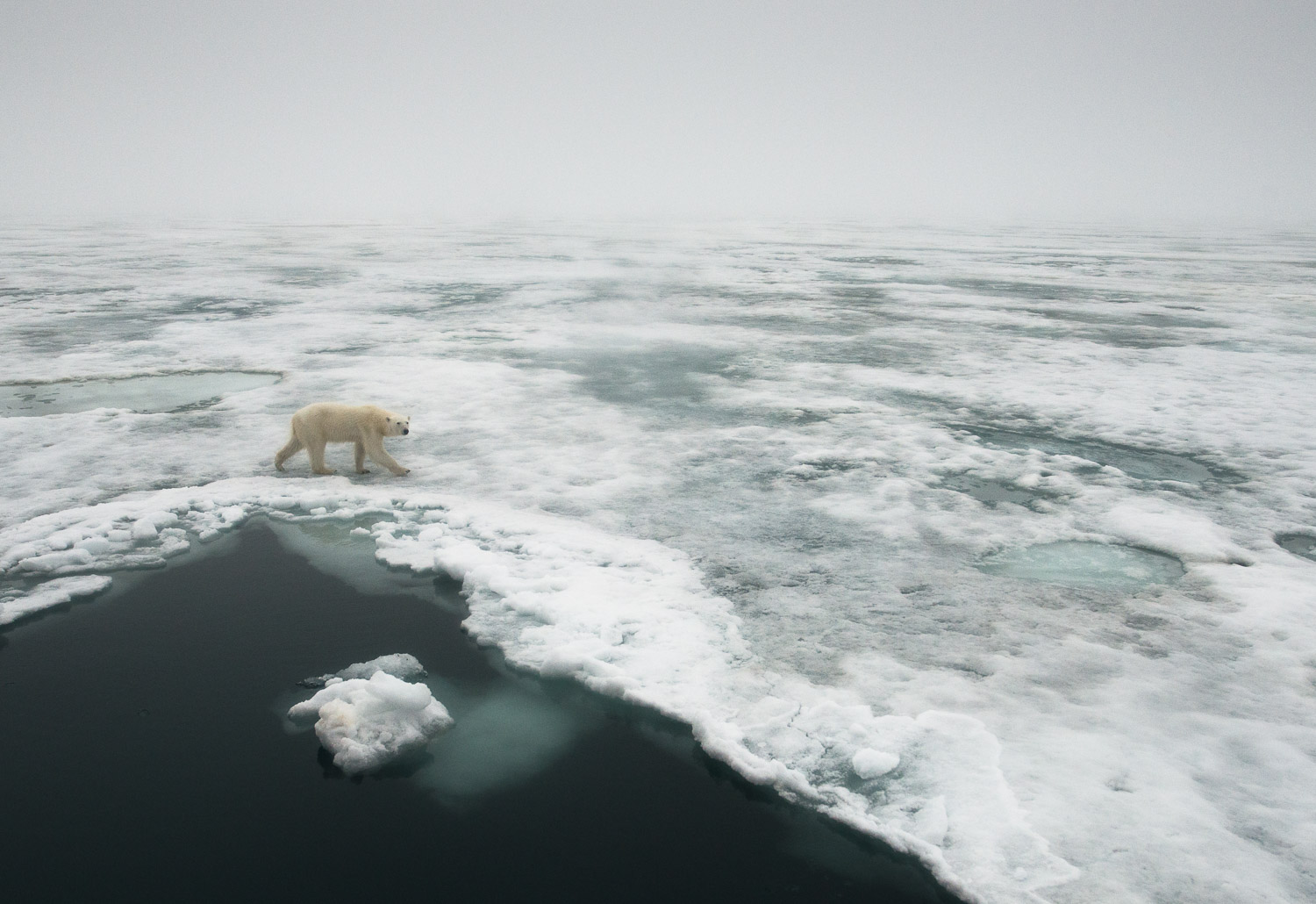
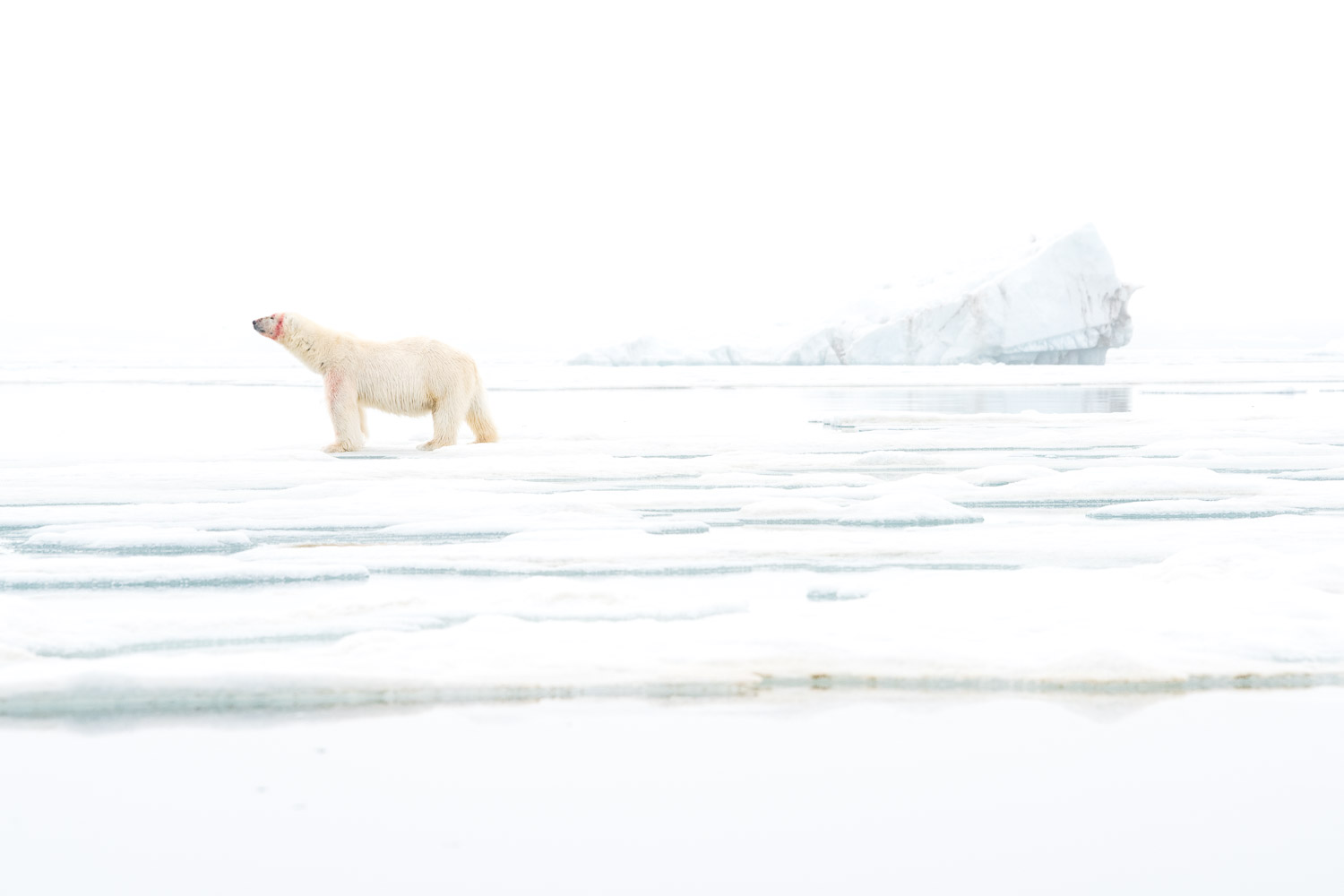
Springtime in Svalbard is a hectic period with melting sea ice and many species enter their breeding seasons. Polar bears are highly active, hunting for seals on the sea ice or around breathing holes, often found in front of glaciers with remaining fjord ice.
Svalbard
Spring Awakening
25 MAY - 02 JUN 2028 9 Days
from EURO 11,495 per person
Photographing Polar Bears in Summer
Beginning of July – end of August
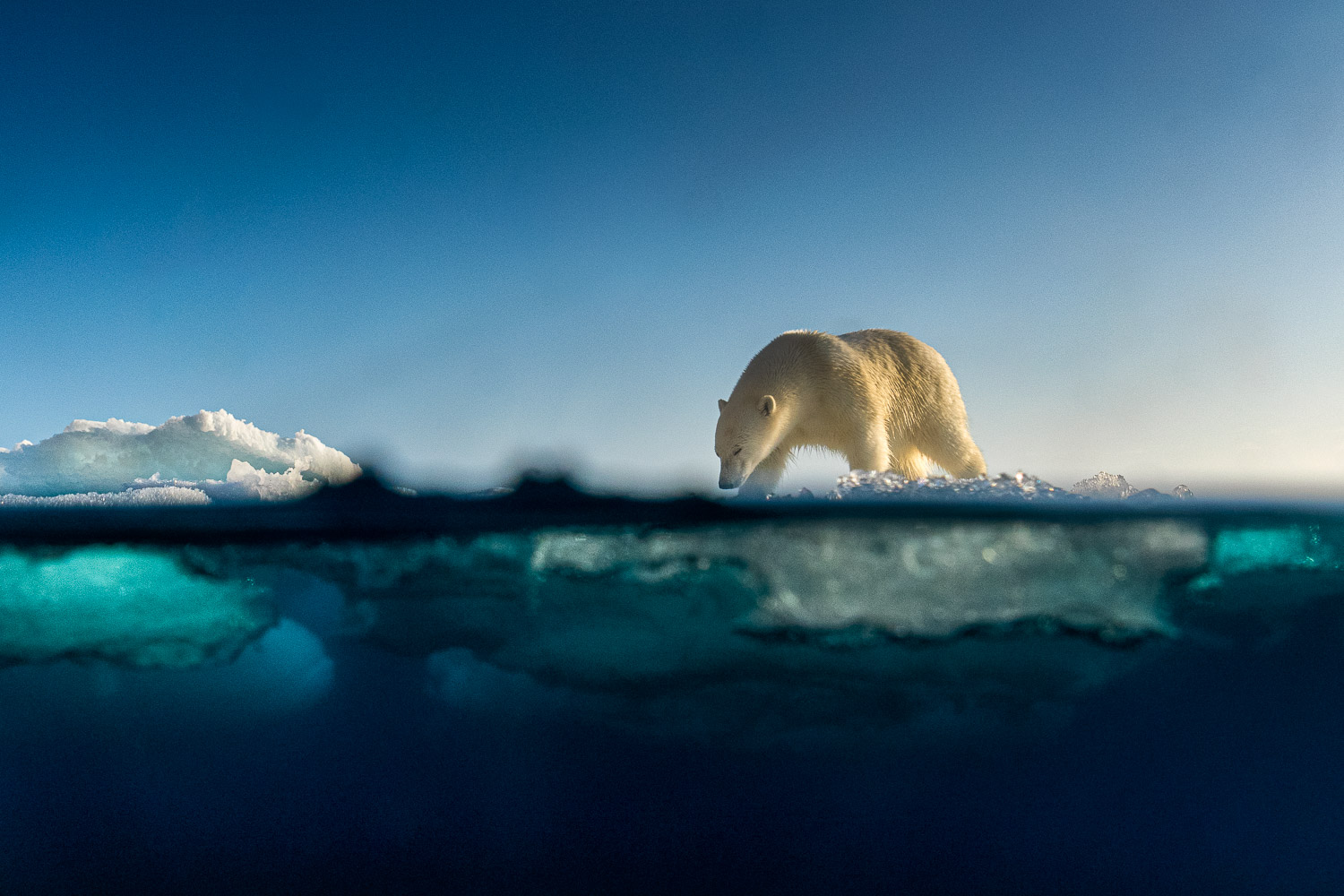
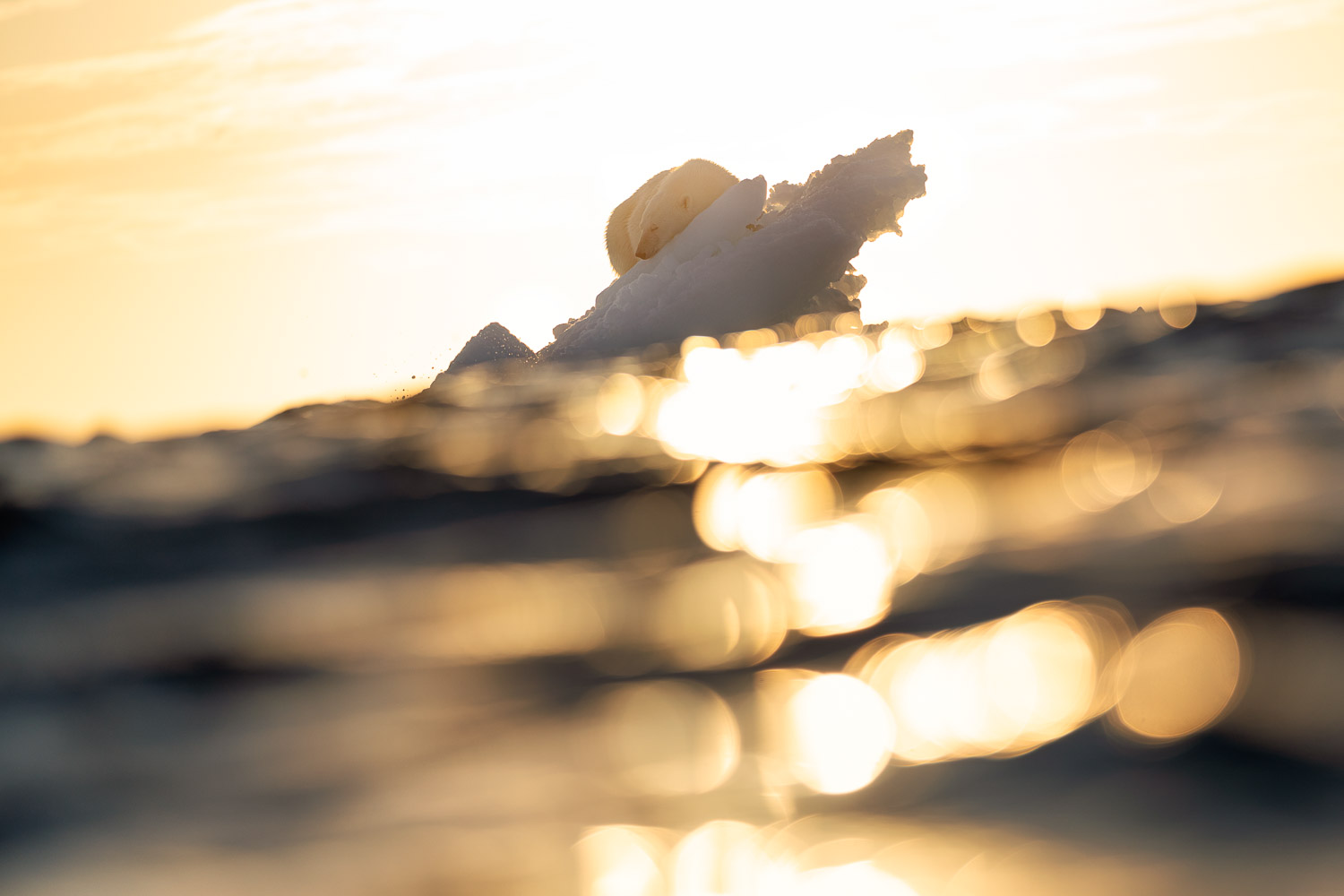
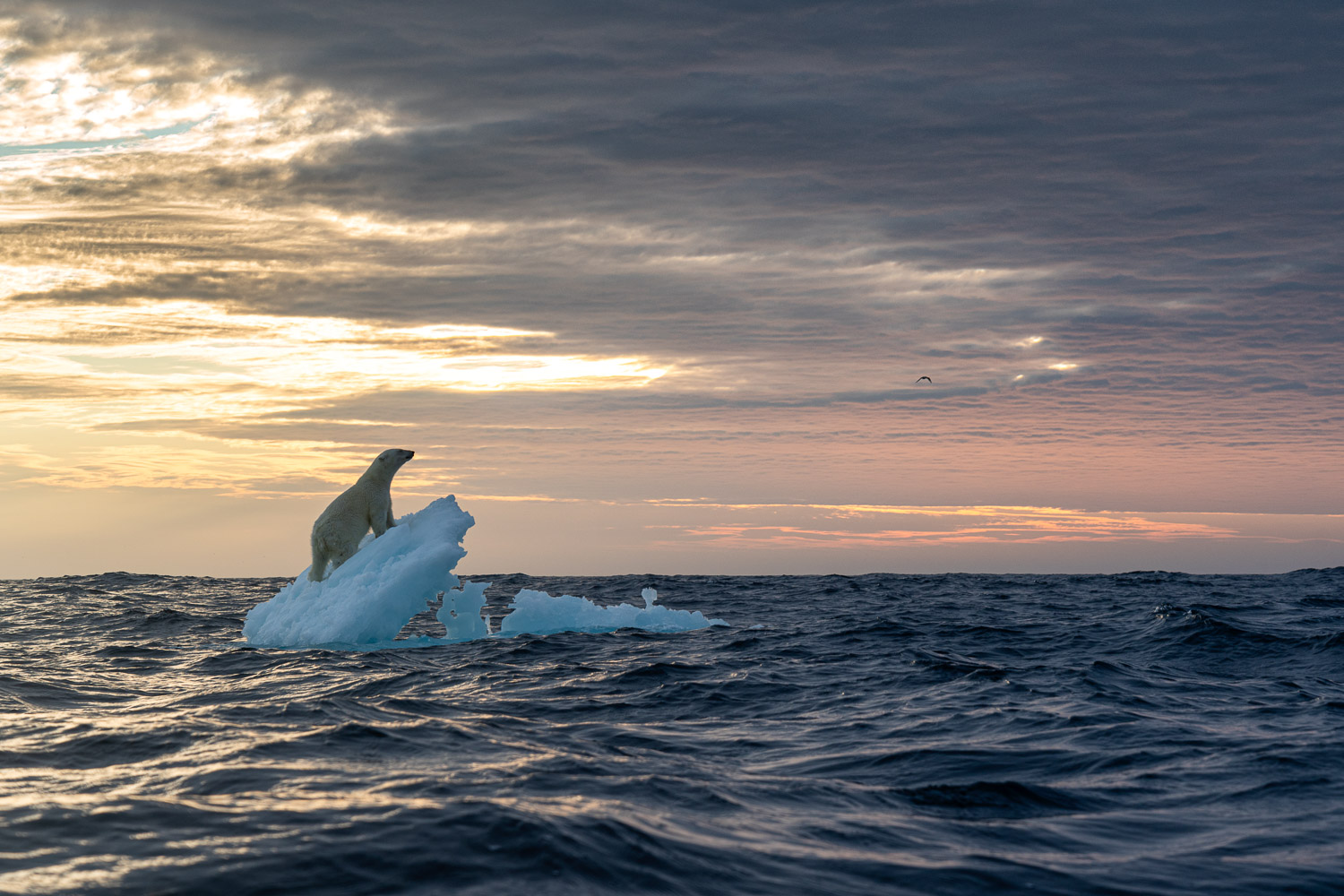
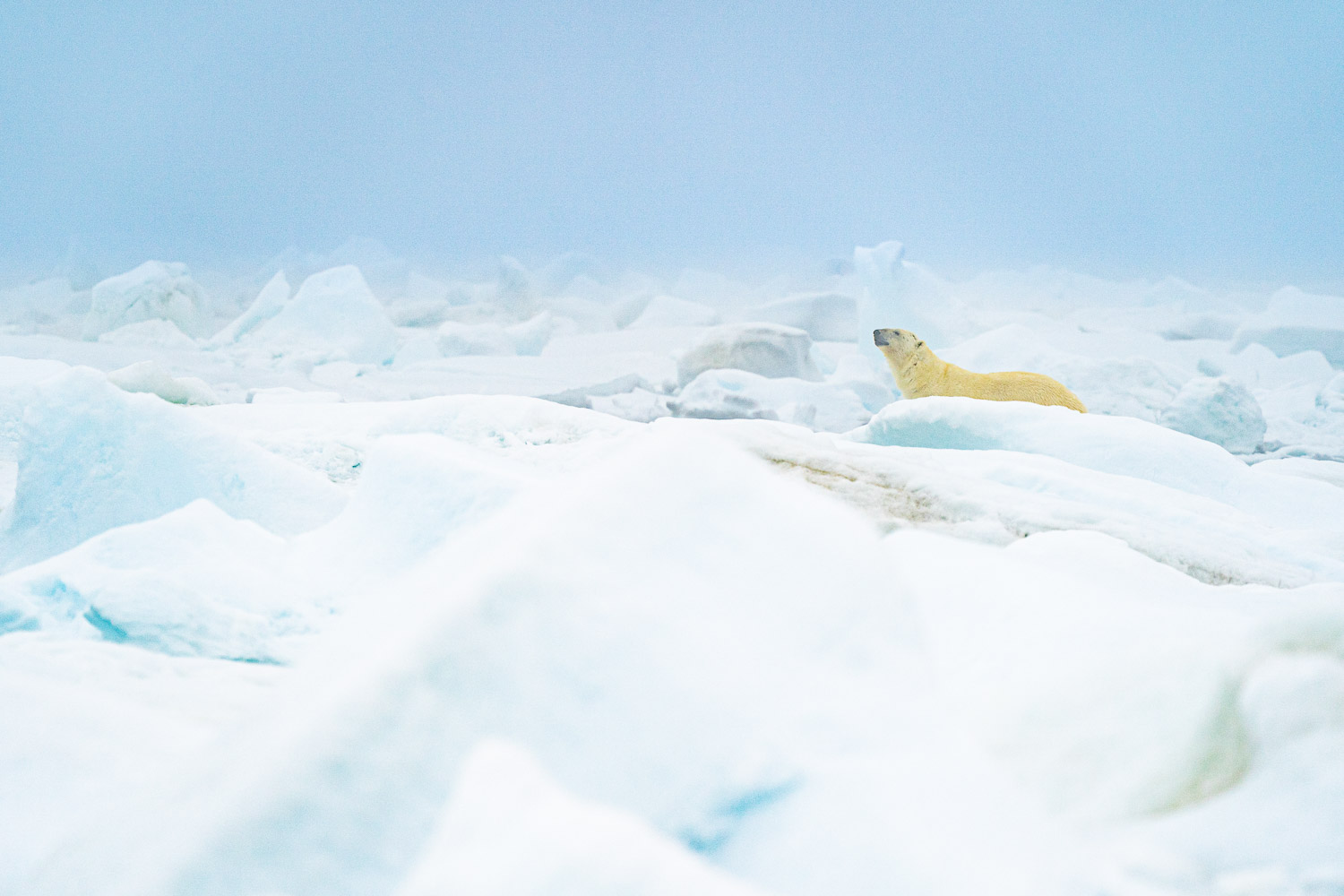
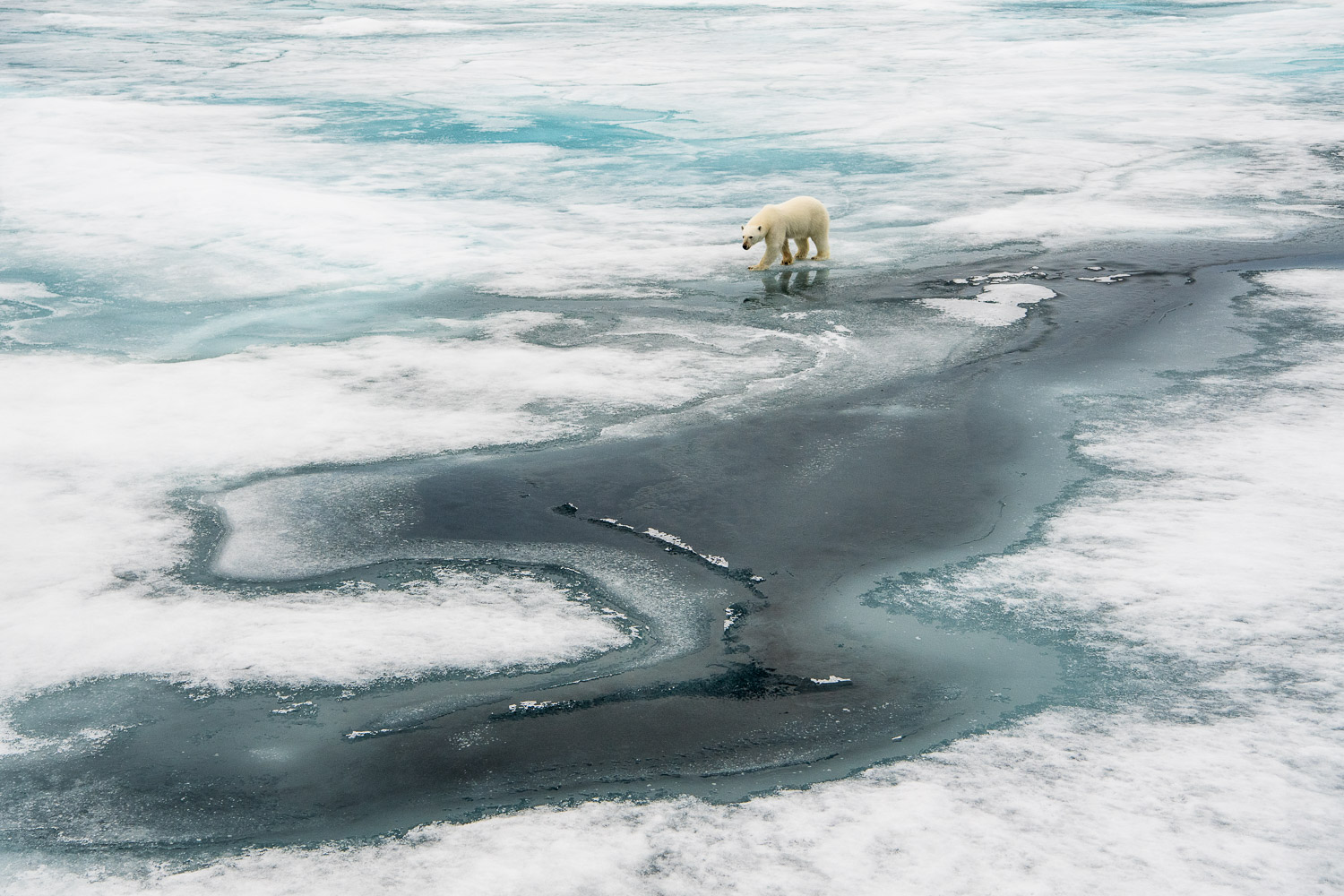
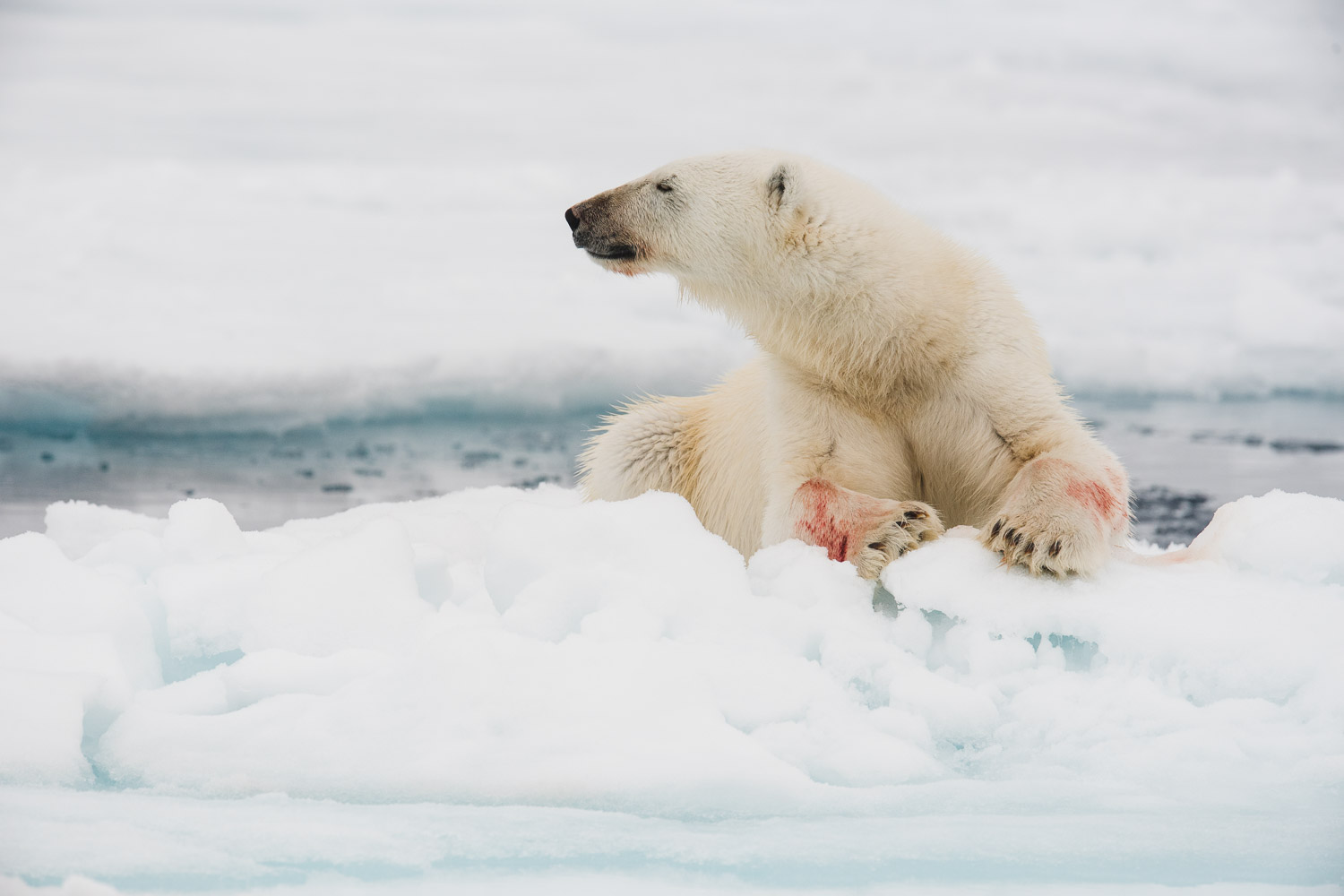
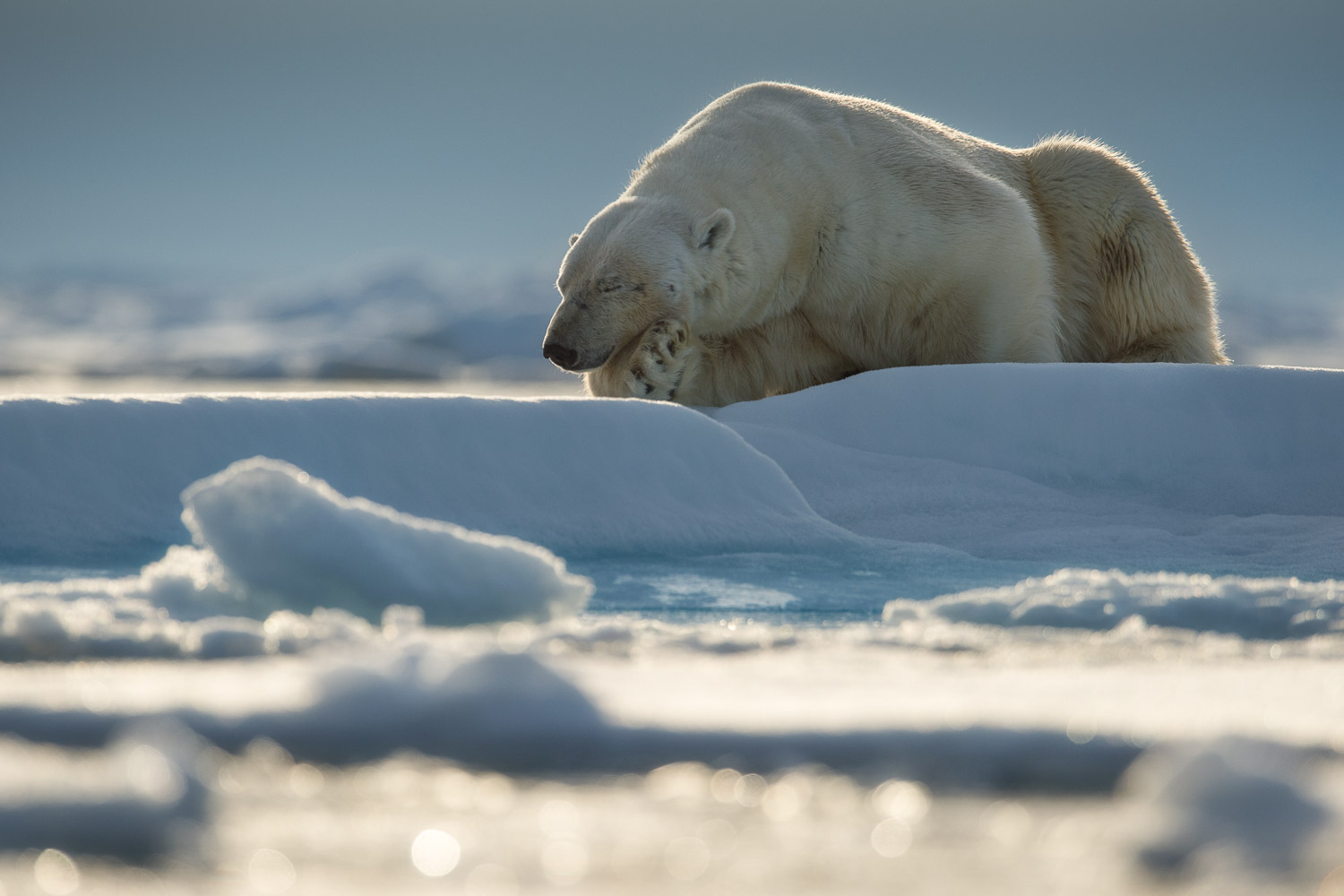
The summer in Svalbard is brief, with sea ice retreating rapidly by July. Some polar bears follow the ice northward to continue seal hunting, while the rest choose to stay on land. Photographing bears on drifting sea ice can provide stunning pictures.
Svalbard
Summer Dream
24 JUL - 03 AUG 2028 11 Days
from EURO 13,495 per person
Photographing Polar Bears in Autumn
End of August - mid-October
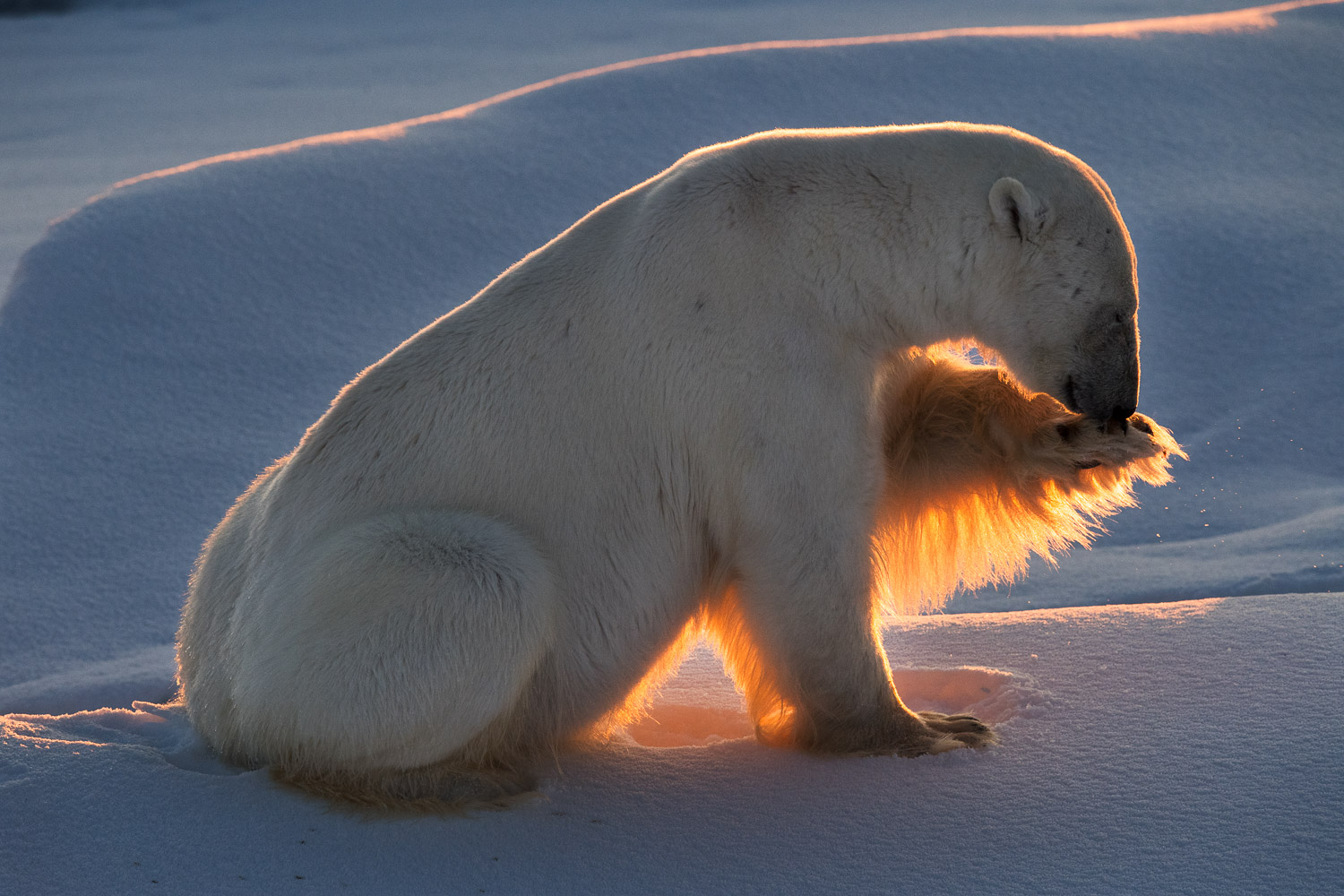
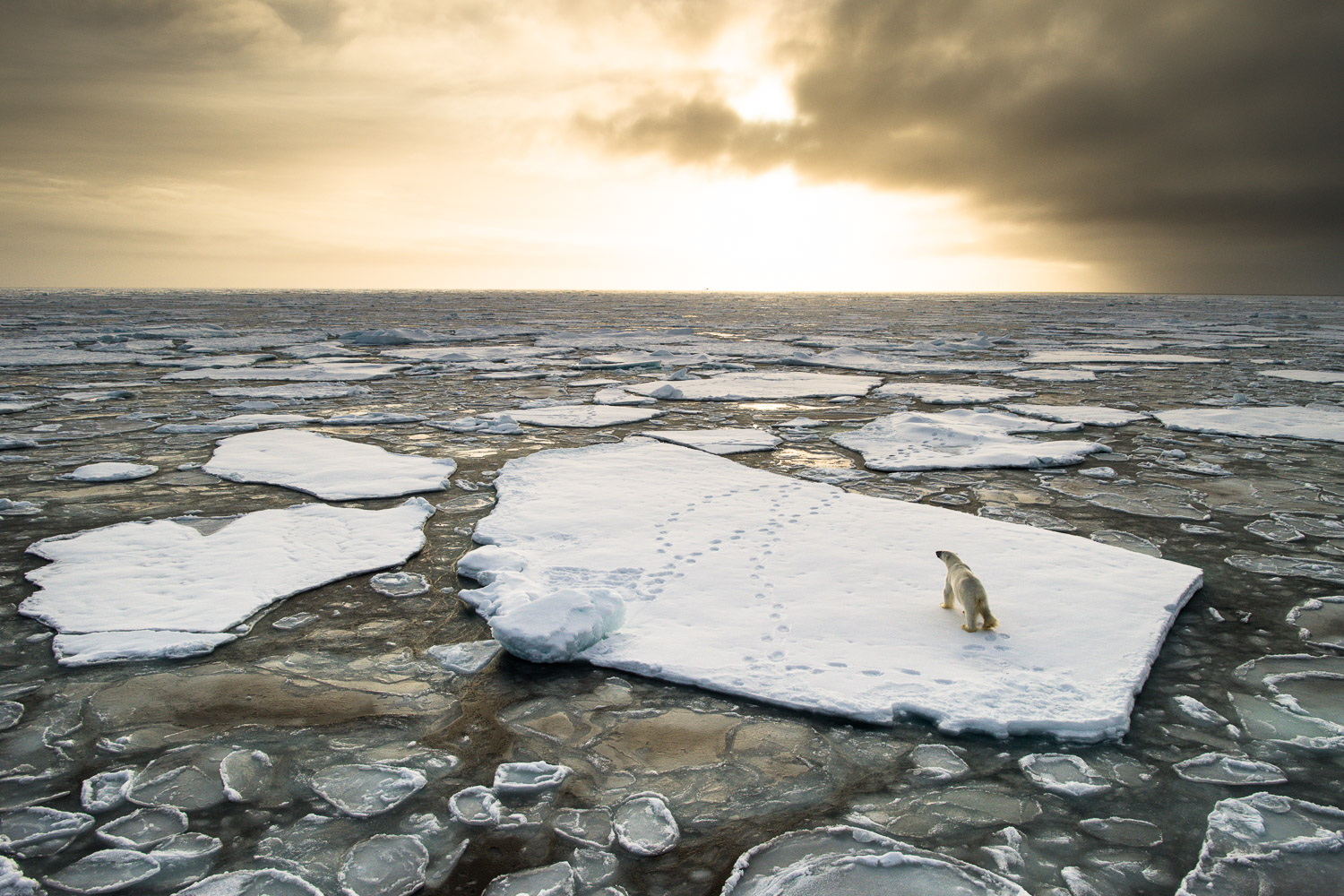
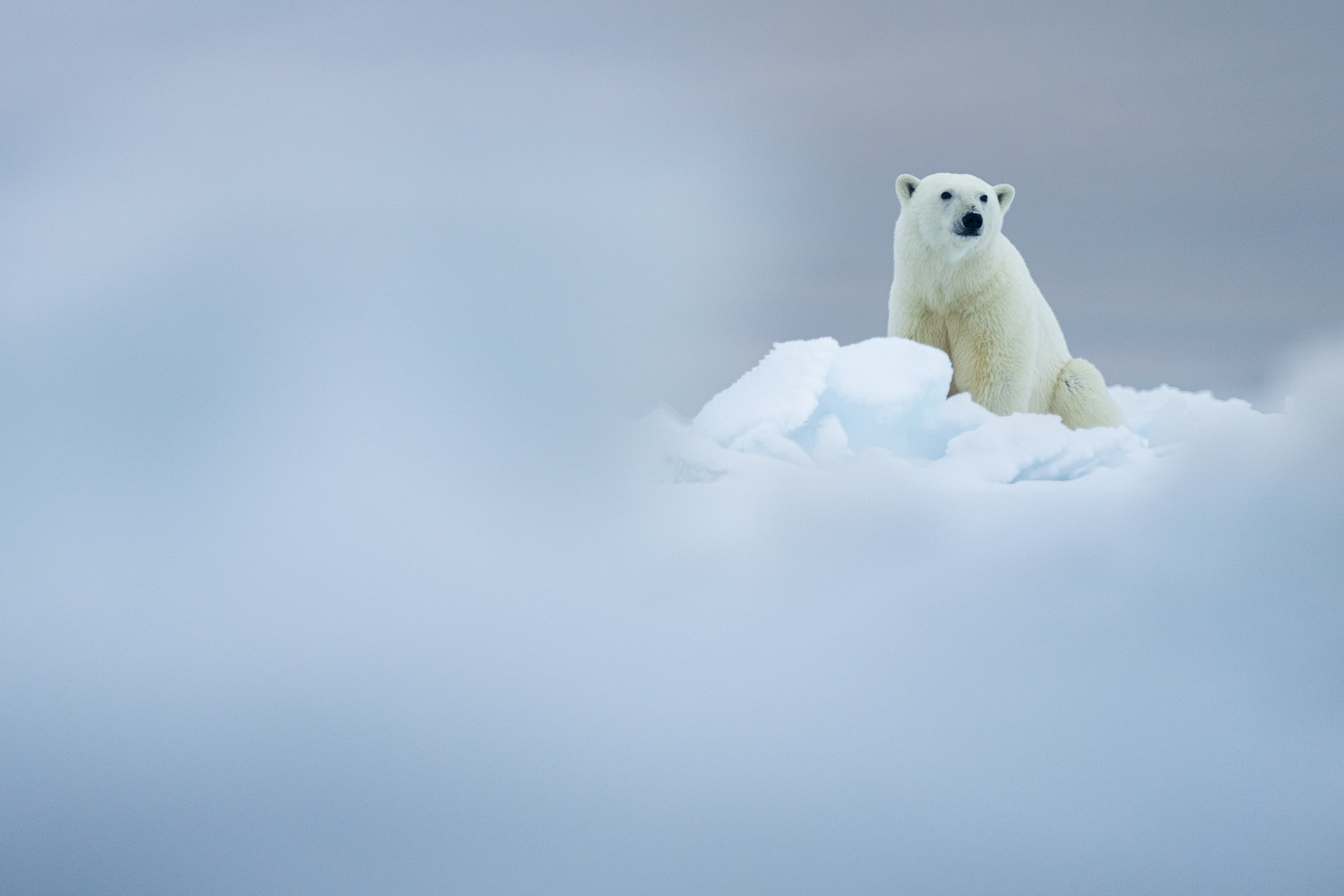
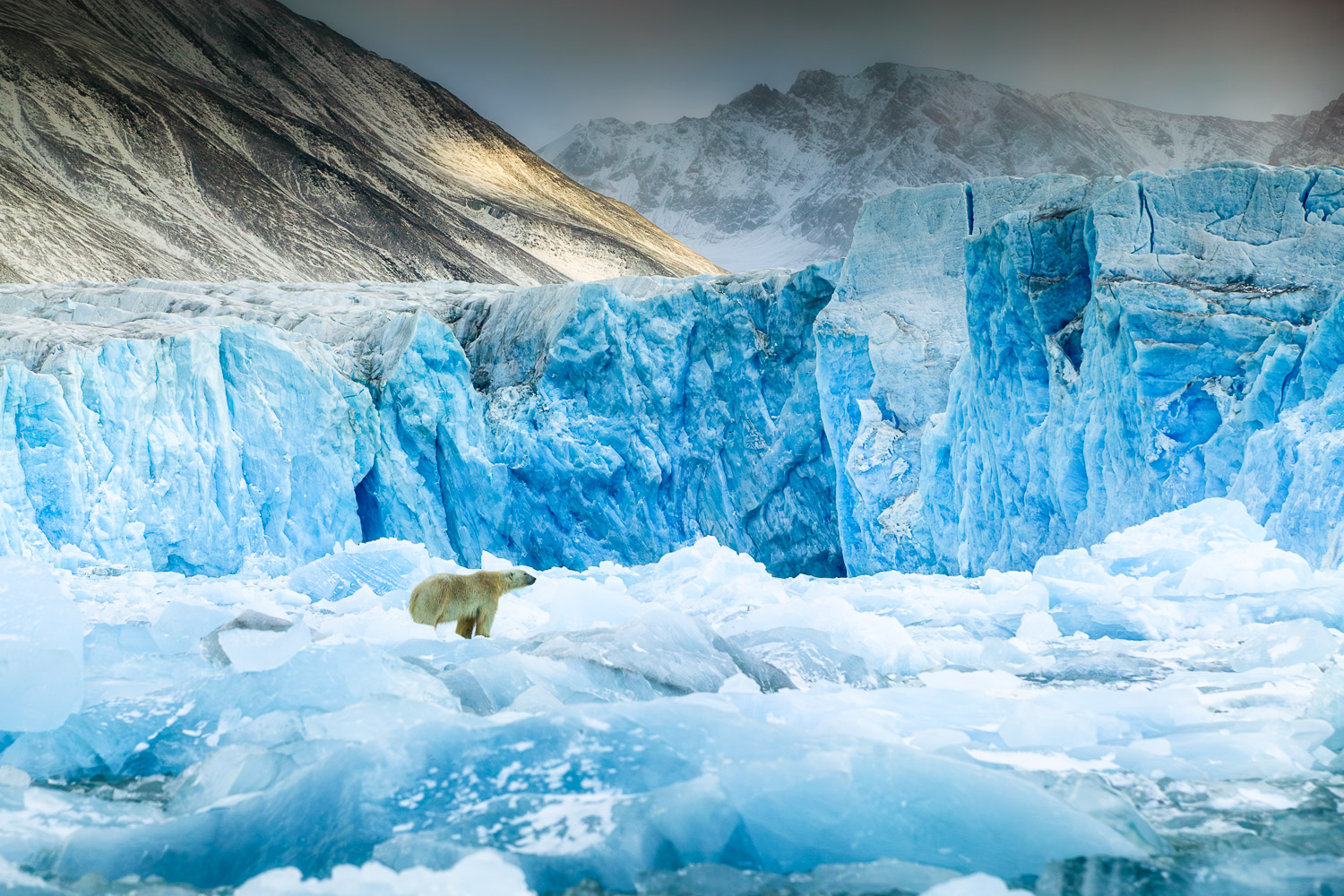
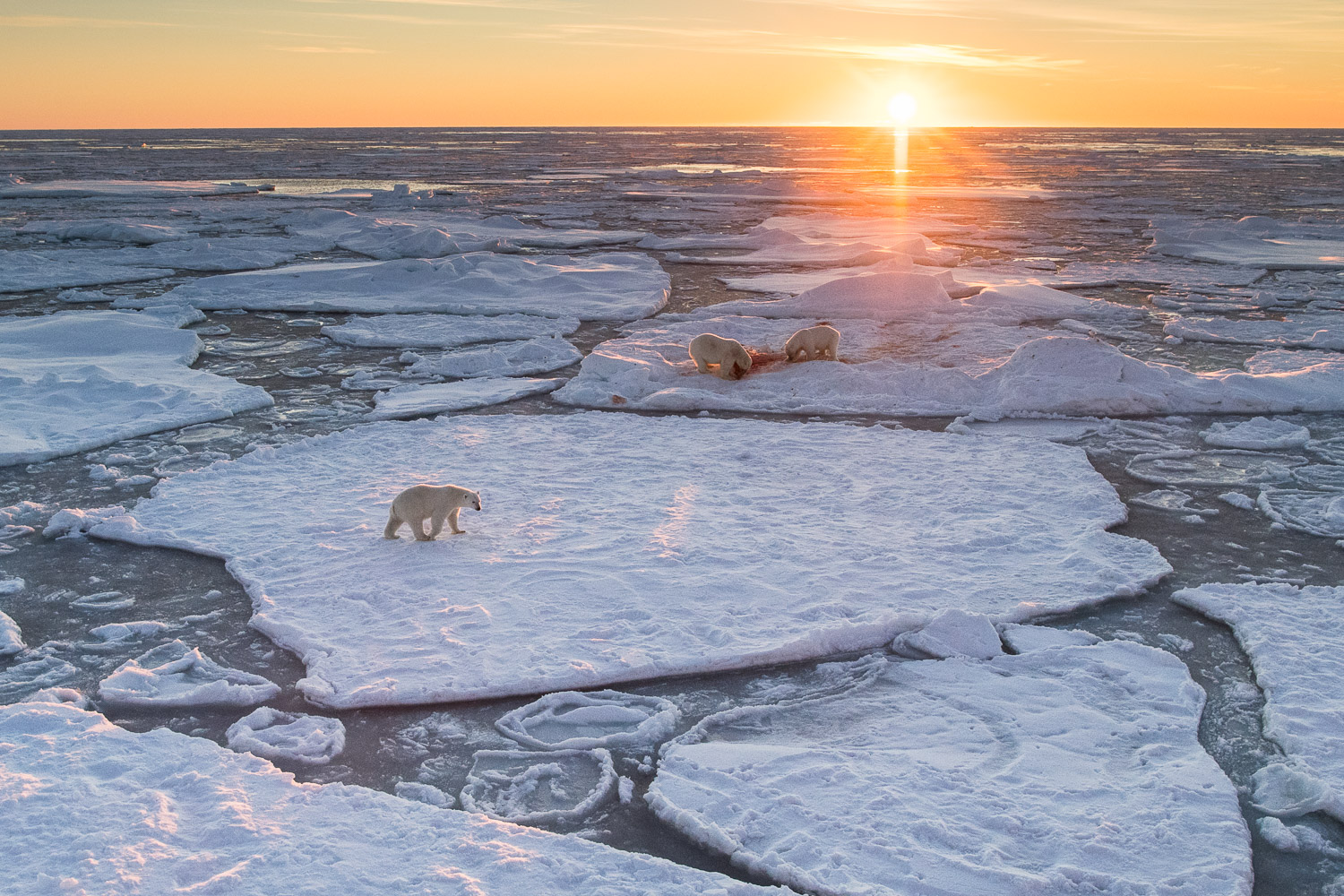
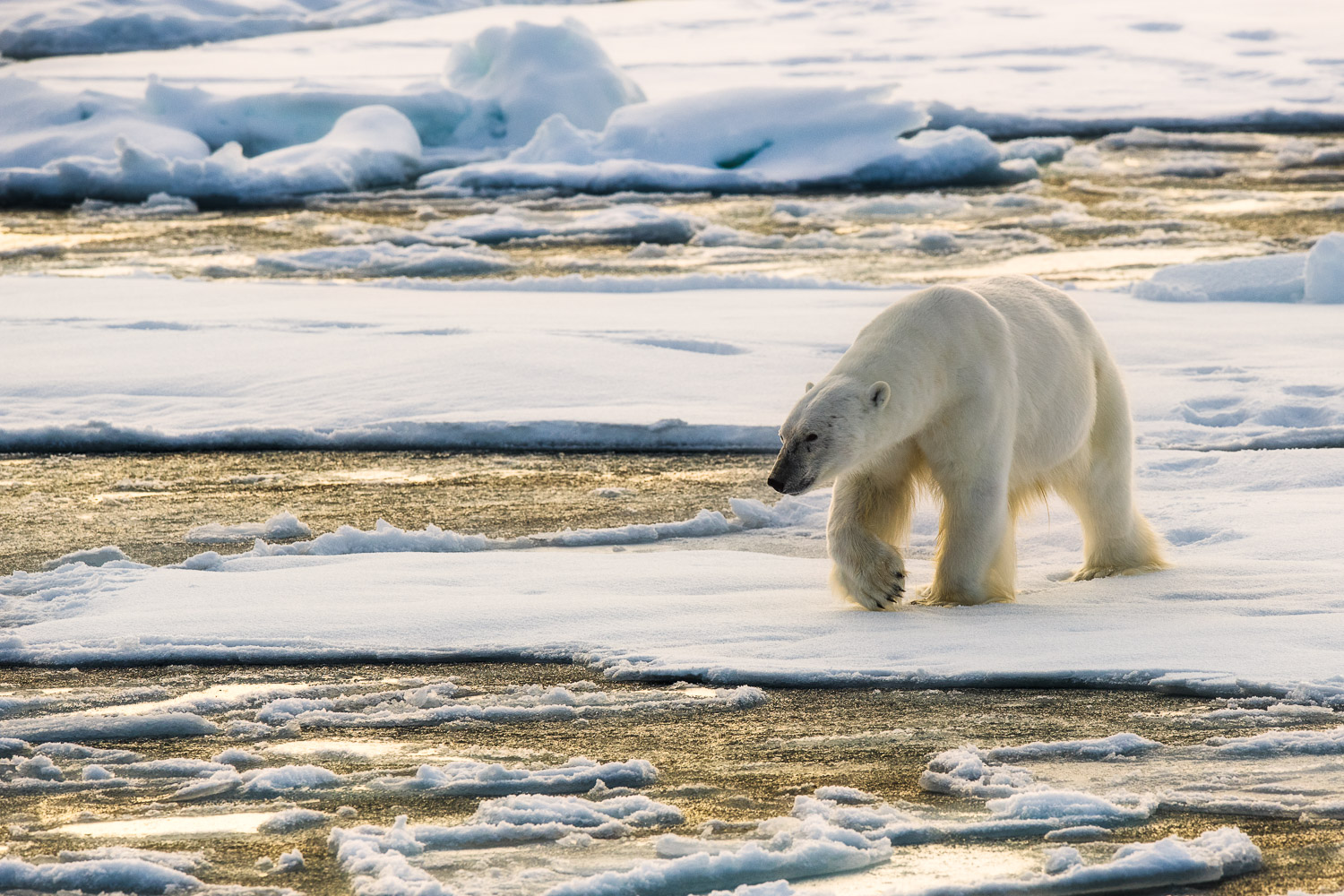
Autumn brings magic light to Svalbard, with long sunsets and sunrises. Polar bears are still active in the pack ice, hunting for seals more than 100 km north of land. Onshore, bears are typically resting or scavenging for whale or walrus carcasses.
Svalbard
Autumn Magic
26 SEP - 05 OCT 2027 10 Days
from EURO 11,995 per person
Not only interested in photographing polar bears in Svalbard? No problem! There are more wildlife, birds and landscape to photograph when you book a photo expedition to Svalbard. Click on any of the images below to explore more about our Arctic photo tours.
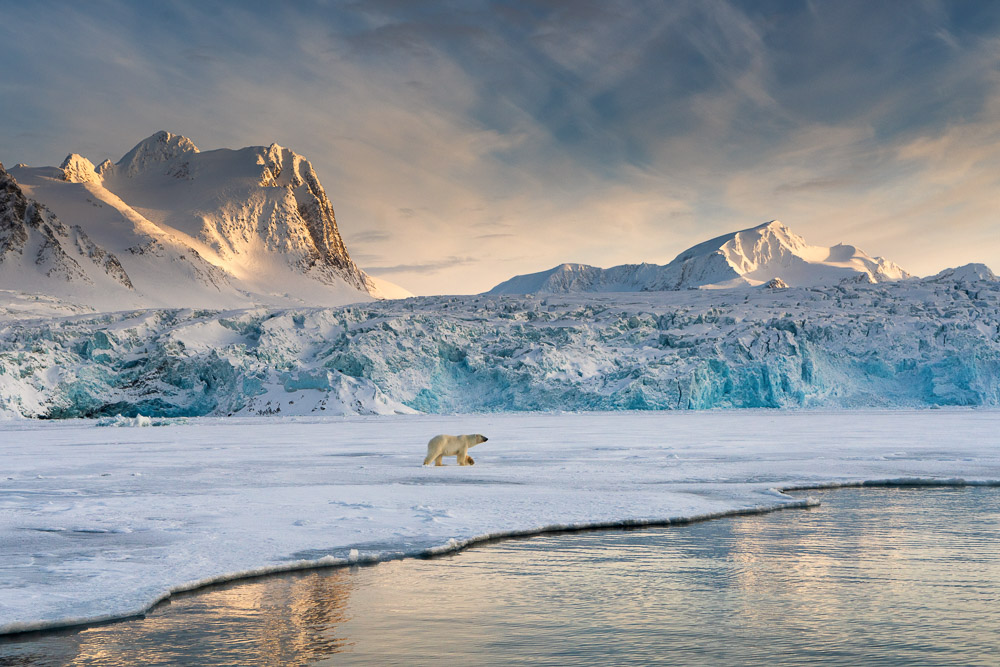
Svalbard Winter Extreme
Photo Expeditions to Svalbard in March and early April with amazing light conditions.
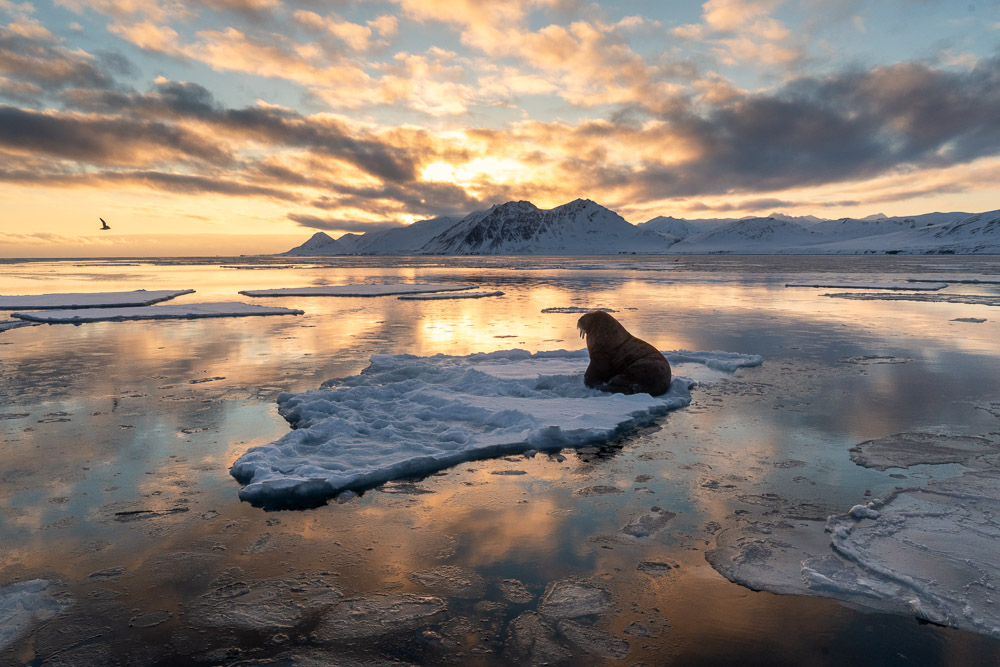
Svalbard Winter Glow
Photo Expeditions to Svalbard in April and May, celebrating the return of the Midnight Sun.
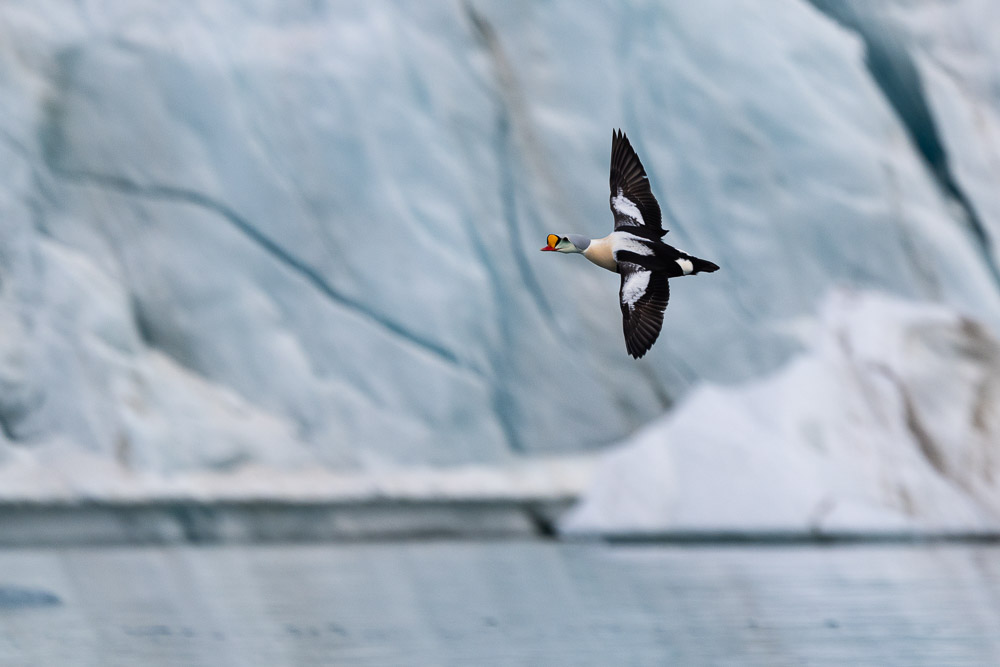
Svalbard Spring Awakening
Photo Expeditions to Svalbard in May and June when Arctic birds and wildlife are preparing for the Summer.
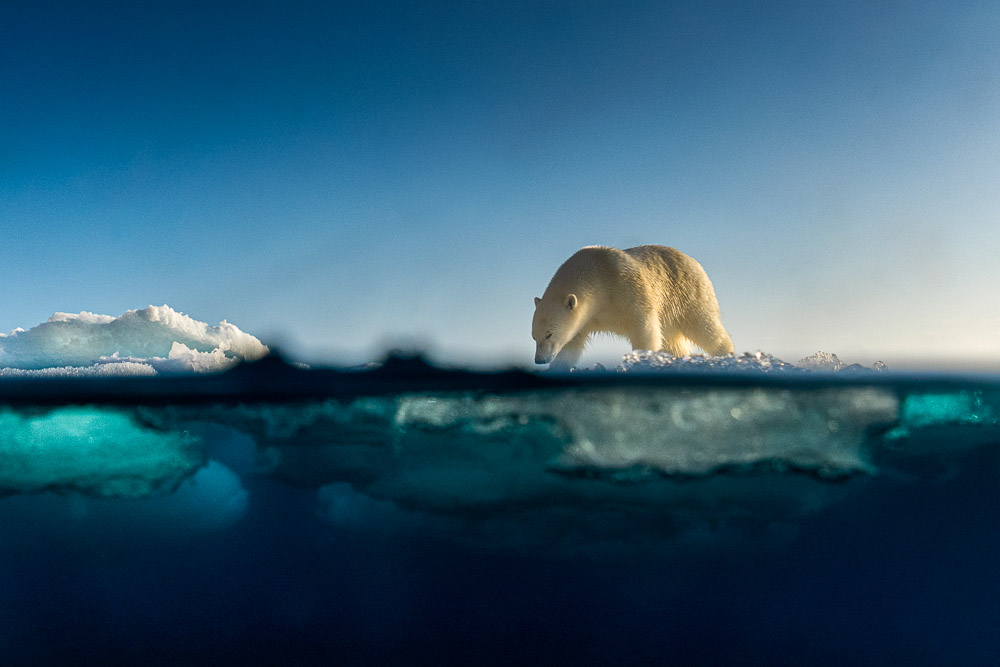
Svalbard Summer Dream
Photo Expeditions to Svalbard in July and August enjoying Summertime in the Arctic.
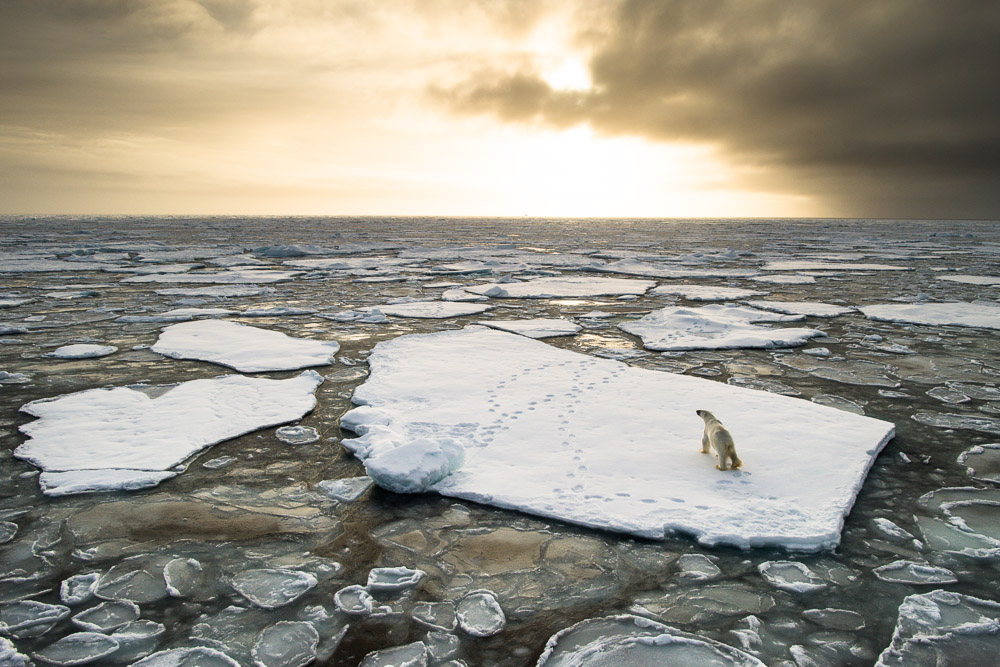
Svalbard Autumn Magic
Photo Expeditions to Svalbard in September and October with Magic Autumn Light.
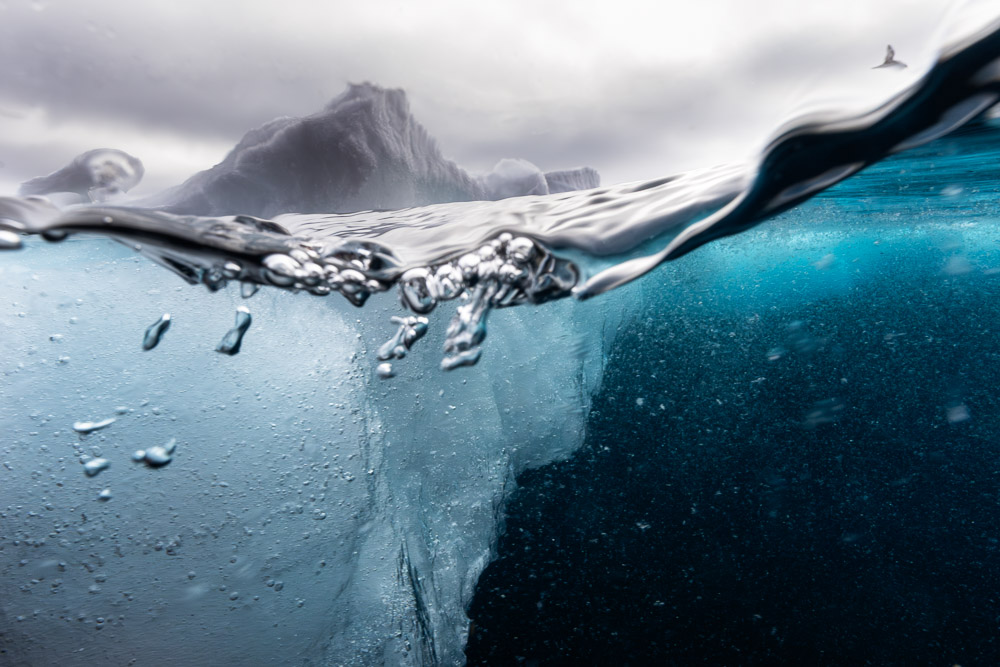
Svalbard Below Surface
Underwater Photography & Snorkeling Expeditions to Svalbard in June.
Camera Gear for Polar Bear Photography
When travelling to the remote wilderness in the Arctic you want to bring the photo equipment that gives you the best chance of capturing the images you want. Below is a list of lenses and photo equipment you should consider to bring if you want to photograph polar bears.
It is also very important what camera body you use with your lens. Some of the main camera features to consider are:
FAQ – Good to Know About Polar Bears
Below you can read some frequently asked questions about polar bears, especially related to Svalbard.
Book a Polar Bear Photography Expedition
Please let us know if you are interested in photographing polar bears and would like more information about the right trip for you, which season is best suited for you, or what camera gear you should bring. We are here to help you choose the perfect polar bear photo expedition in Svalbard.
Learn More
Below is a selection of other WildPhoto expert tips that you might find interesting.
Travel preparation
Wildlife & Nature
Birds of Svalbard
Learn about bird species, camera gear, and tips for photographing Arctic birds.